
Exploring the world of roofing services for factories, this guide delves into the various types of services available, essential factors to consider when choosing the right roofing, the installation process, and safety regulations to ensure a secure environment. Get ready to uncover everything you need to know about roofing services for factories.
Types of Roofing Services for Factories
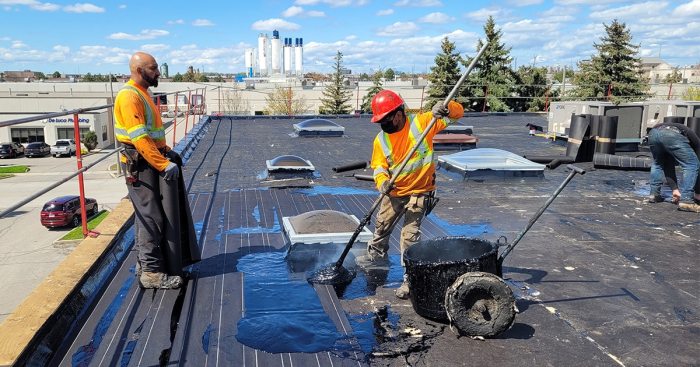
When it comes to roofing services for factories, there are several options available to meet different needs and requirements. Two common types of roofing materials used for factory buildings are metal roofing and asphalt roofing.Metal Roofing:Metal roofing is a popular choice for factory buildings due to its durability and longevity.
It can withstand harsh weather conditions, such as heavy rain, snow, and strong winds, making it ideal for industrial settings. Additionally, metal roofing is fire-resistant, which is crucial for factories where fire safety is a priority. Asphalt Roofing:Asphalt roofing, on the other hand, is known for its affordability and ease of installation.
It is a cost-effective option for factory owners looking to save on roofing expenses without compromising quality. While asphalt roofing may not be as durable as metal roofing, it still provides adequate protection and insulation for factory buildings.Importance of Proper Insulation:Regardless of the type of roofing material chosen, proper insulation is essential for factory buildings.
Adequate insulation helps regulate temperature inside the factory, reducing energy costs associated with heating and cooling. It also prevents moisture buildup, which can lead to mold growth and structural damage over time. Investing in quality insulation ensures a comfortable and safe working environment for factory employees.
Factors to Consider When Choosing Roofing Services
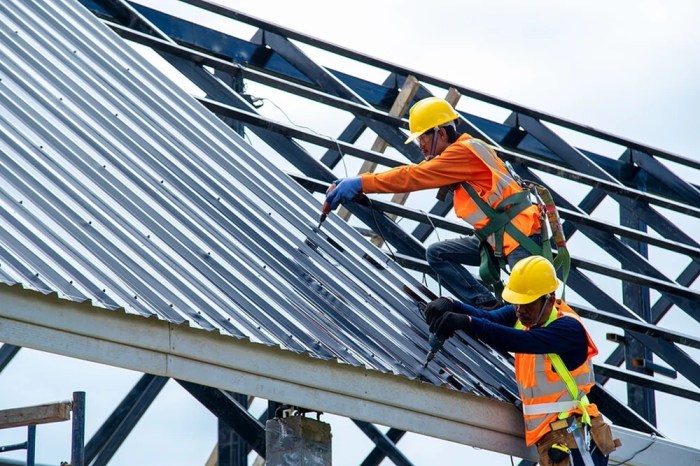
When selecting roofing services for factories, several key factors need to be taken into consideration to ensure the longevity and efficiency of the roofing system.
Durability
Durability is a crucial factor to consider when choosing roofing services for factories. The roof of a factory is constantly exposed to various weather conditions, industrial pollutants, and other external factors that can cause wear and tear. Opting for durable roofing materials can help prolong the lifespan of the roof and reduce the need for frequent repairs or replacements.
Cost-effectiveness
Cost-effectiveness plays a significant role in the decision-making process when it comes to roofing services for factories. While it may be tempting to opt for cheaper materials or services, it is essential to consider the long-term costs associated with maintenance, repairs, and energy efficiency.
Investing in high-quality roofing materials and services upfront can ultimately save money in the long run.
Energy Efficiency
Energy efficiency is another important factor to consider when choosing roofing services for factories. A well-insulated and reflective roof can help regulate the temperature inside the factory, reducing the need for excessive heating or cooling. This, in turn, can lead to lower energy bills and a more comfortable working environment for employees.
Weather Resistance
Weather resistance is a critical factor when selecting suitable roofing materials for factories. The roof should be able to withstand extreme weather conditions such as heavy rain, snow, high winds, and intense sunlight. Choosing weather-resistant materials can help prevent leaks, damage, and other issues that may arise due to inclement weather.
Maintenance Requirements
Consider the maintenance requirements of different roofing materials when making your selection. Some materials may require more frequent inspections, repairs, or cleaning to maintain their integrity and performance. Factor in the ongoing maintenance costs and time commitment associated with each type of roofing material to make an informed decision.
Installation Process for Factory Roofing
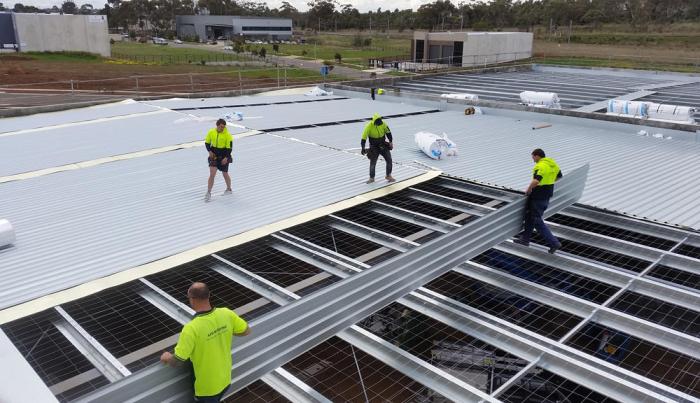
When it comes to installing a new roof for a factory, there are several important steps involved in the process. Proper installation is crucial to ensure the longevity and durability of the roof, as well as the overall safety of the building.
Importance of Proper Ventilation
Proper ventilation is essential during the installation of factory roofing. It helps regulate temperature and moisture levels in the attic or roof space, preventing issues like mold growth, wood rot, and heat buildup. Adequate ventilation also helps extend the lifespan of the roofing materials by reducing the risk of damage from excessive heat or moisture.
Flat Roofs vs. Sloped Roofs
The installation processes for flat roofs and sloped roofs in factory buildings differ in several key aspects. Flat roofs typically require the use of materials like built-up roofing (BUR) or single-ply membranes, which are applied in layers to create a waterproof barrier.
On the other hand, sloped roofs often use materials like asphalt shingles or metal panels, which are installed at an angle to allow for proper drainage.Regardless of the type of roof, proper installation is essential to ensure the structural integrity of the building and the safety of its occupants.
By following industry best practices and working with experienced roofing professionals, factory owners can ensure that their new roof is installed correctly and will provide reliable protection for years to come.
Safety Regulations and Compliance in Factory Roofing
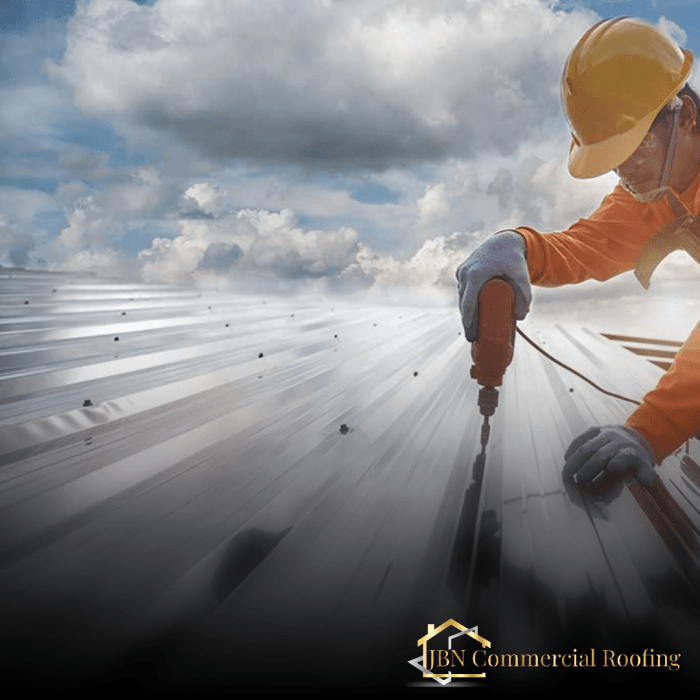
When it comes to roofing services for factories, safety regulations and compliance are paramount to ensure the well-being of workers and the integrity of the structure. It is crucial to follow specific measures and guidelines to prevent accidents and ensure a successful roofing project.
Safety Measures during Factory Roofing
- Provide proper training to all workers involved in the roofing project to ensure they are aware of safety protocols and procedures.
- Use appropriate personal protective equipment (PPE) such as helmets, gloves, and safety harnesses to minimize the risk of injury.
- Implement fall protection systems like guardrails, safety nets, or personal fall arrest systems to prevent falls from heights.
- Regularly inspect and maintain equipment and tools to ensure they are in good working condition and do not pose a safety hazard.
Regulatory Standards for Factory Roofing
Roofing installations in industrial settings are governed by various regulatory standards to ensure compliance with safety requirements and building codes. Some common standards include:
OSHA (Occupational Safety and Health Administration) regulations
NFPA (National Fire Protection Association) codes
Local building codes and regulations
Common Safety Hazards in Factory Roofing
- Slips, trips, and falls due to slippery surfaces, debris, or improper safety precautions
- Electrical hazards from overhead power lines or faulty wiring
- Falling objects from heights, such as tools, materials, or equipment
- Exposure to hazardous materials like asbestos or chemicals during roof repair or maintenance
Concluding Remarks
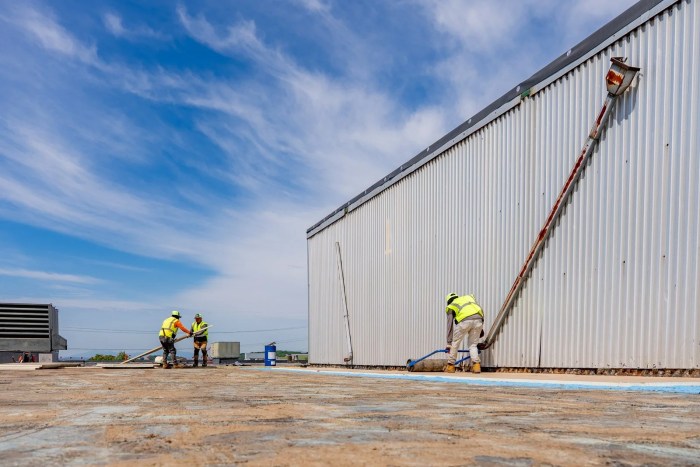
In conclusion, roofing services for factories play a crucial role in maintaining the structural integrity and safety of industrial buildings. By understanding the different types of services, key factors to consider, installation processes, and safety regulations, you can make informed decisions to protect your factory.
Stay informed, stay safe, and ensure your factory's roof is in top condition at all times.
FAQ Resource
What are the common types of roofing services suitable for factories?
Common types include metal roofing, asphalt roofing, and flat roofing solutions tailored for industrial settings.
How important is proper insulation in factory roofing?
Proper insulation is crucial for maintaining energy efficiency and temperature control within factory buildings.
What factors should be considered when choosing roofing services for factories?
Key factors include durability, cost-effectiveness, energy efficiency, weather resistance, and maintenance requirements.
What safety measures need to be followed during roofing services for factories?
Safety measures include adherence to regulatory standards, proper equipment usage, and awareness of common safety hazards.