
As roof maintenance specialists take center stage, this opening passage beckons readers into a world crafted with good knowledge, ensuring a reading experience that is both absorbing and distinctly original.
In today's guide, we will delve into the crucial role of roof maintenance specialists in preserving the integrity of roofs, exploring their qualifications, inspection procedures, maintenance techniques, and best practices that set them apart in the industry.
Importance of Roof Maintenance Specialists
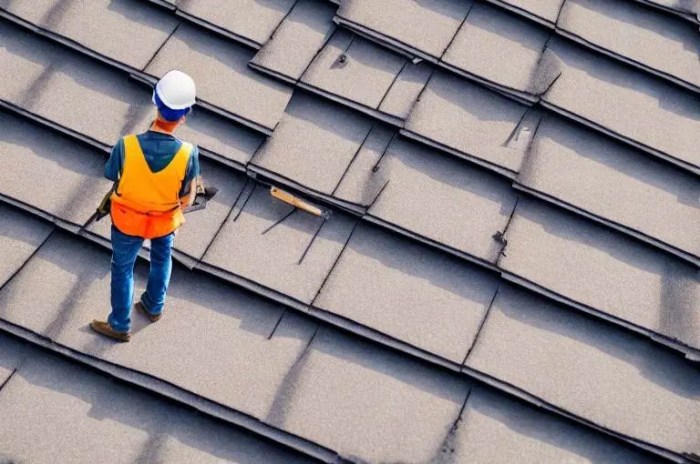
Roof maintenance specialists play a crucial role in ensuring the longevity and structural integrity of roofs. By conducting regular inspections and maintenance, these professionals can prevent issues like leaks, water damage, and structural deterioration.
Key Tasks of Roof Maintenance Specialists
- Inspecting roofs for signs of damage or wear
- Clearing debris and clogged gutters to prevent water buildup
- Repairing or replacing damaged shingles or tiles
- Applying protective coatings to enhance durability
- Identifying potential issues early to avoid costly repairs
Benefits of Hiring Professional Specialists
- Expertise: Roof maintenance specialists have the knowledge and skills to identify and address roofing issues effectively.
- Safety: Working at heights can be dangerous, and professionals have the necessary training and equipment to ensure safety.
- Cost-Effective: Regular maintenance by specialists can help prevent major repairs or premature roof replacement, saving money in the long run.
- Quality Workmanship: Professionals can provide high-quality repairs and maintenance that can extend the lifespan of your roof.
- Piece of Mind: Hiring specialists gives homeowners peace of mind knowing that their roof is in good hands and well-maintained.
Qualifications and Skills Required
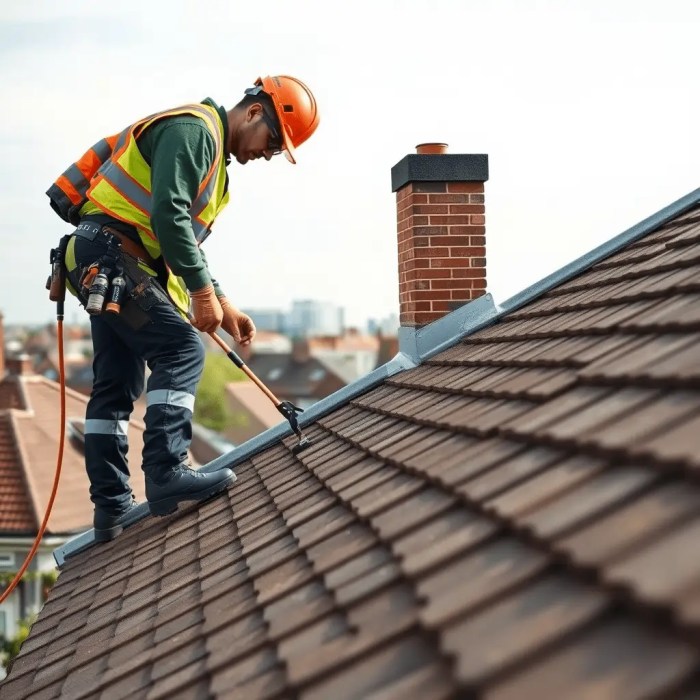
To become a roof maintenance specialist, individuals must possess a combination of qualifications, certifications, and training. In addition to formal education, certain skills are essential to excel in this profession.
Necessary Qualifications and Certifications
- High school diploma or equivalent
- Completion of a vocational training program in roofing or a related field
- Certifications such as OSHA 10 or 30-hour Construction Safety Certification
- Licensing requirements vary by state, so it is important to check local regulations
Key Skills Required
- Attention to detail: Roof maintenance specialists must be meticulous in their work to ensure roofs are properly maintained and repaired.
- Problem-solving: The ability to identify issues and determine effective solutions is crucial in this profession.
- Physical stamina: The job often requires working at heights and lifting heavy materials, so physical fitness is important.
Expertise vs. General Contractors
Roof maintenance specialists have specialized knowledge and skills related specifically to roofs. While general contractors may be able to perform basic maintenance tasks, specialists are better equipped to deal with complex roof issues and provide long-term solutions. Their in-depth understanding of roofing materials, techniques, and best practices sets them apart in the field of roof maintenance.
Roof Inspection Procedures
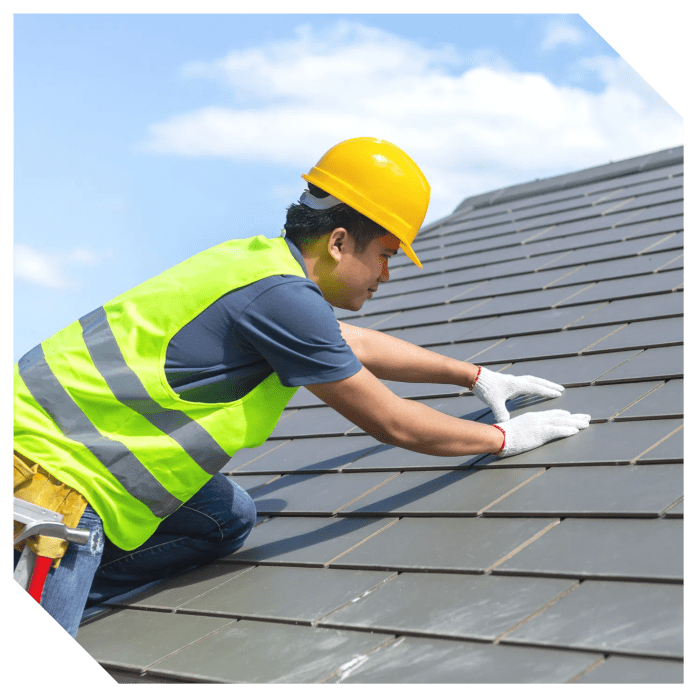
During a routine roof inspection, roof maintenance specialists follow a systematic process to assess the condition of the roof and identify any potential issues that may require attention. This proactive approach helps in preventing costly repairs or replacements in the future.
Tools and Equipment Used
- Roofing ladder: Specialists use a sturdy ladder to access the roof safely and inspect all areas.
- Flashlight: To illuminate dark or shadowed areas for a better visual inspection.
- Binoculars: Helps in examining the roof from a distance to spot any signs of damage or wear.
- Moisture meter: Used to detect any moisture intrusion or leaks on the roof.
- Caulking gun and sealant: Essential for fixing minor leaks or sealing gaps in the roof structure.
Common Issues Identified and Addressed
- Missing or damaged shingles: Specialists look for any missing, cracked, or curling shingles and replace them to prevent water leaks.
- Clogged gutters: Cleaning debris from gutters to ensure proper drainage and prevent water damage to the roof and foundation.
- Flashing damage: Checking for loose or deteriorated flashing around chimneys, vents, or skylights and repairing or replacing as needed.
- Mold or mildew growth: Identifying any signs of mold or mildew and taking necessary steps to remove and prevent future growth.
- Sagging roof areas: Inspecting for any areas of the roof that are sagging or uneven, which could indicate structural issues that need to be addressed promptly.
Maintenance Techniques and Best Practices
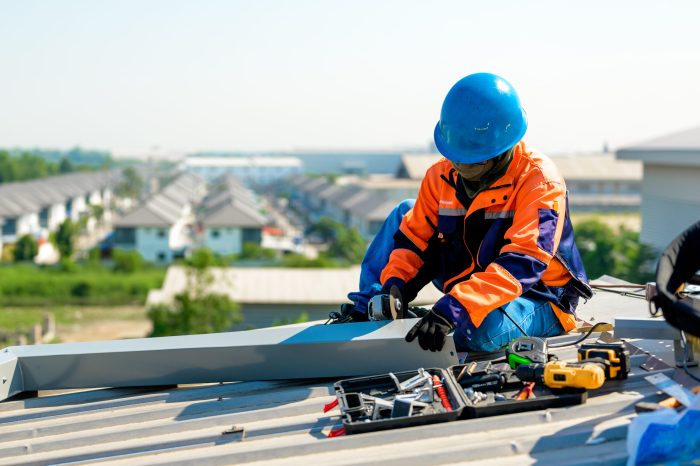
Maintaining a roof is crucial for its longevity and overall performance. Roof maintenance specialists employ various techniques to ensure that roofs remain in optimal condition. By following best practices for cleaning, repairing, and treating different types of roofs, specialists can help homeowners prolong the life of their roofs and avoid costly repairs.
Regular Inspections
Regular roof inspections are essential for detecting any issues early on. Roof maintenance specialists should recommend homeowners to schedule inspections at least twice a year, ideally in the spring and fall. During these inspections, specialists can check for signs of damage, leaks, or debris buildup that could compromise the roof's integrity.
Cleaning and Debris Removal
Keeping the roof clean and free of debris is key to preventing issues such as water damage and mold growth. Specialists should advise homeowners to regularly remove leaves, branches, and other debris from the roof surface and gutters. Additionally, cleaning the roof with a mild detergent and water can help prevent the growth of algae and moss.
Repairing Damaged Areas
Promptly addressing any damaged areas on the roof is crucial to preventing further deterioration. Roof maintenance specialists should recommend homeowners to repair cracked or missing shingles, damaged flashing, and any other issues as soon as they are identified. Ignoring these issues can lead to water leaks and structural damage.
Treating and Protecting the Roof
Applying a protective coating to the roof can help extend its lifespan and enhance its durability. Roof maintenance specialists can recommend homeowners to treat the roof with a sealant or waterproofing compound to protect it from the elements. Additionally, UV-resistant coatings can help prevent sun damage and prolong the life of the roof.
Maintenance Schedule
Developing a maintenance schedule can help homeowners stay on top of their roof maintenance tasks. Roof maintenance specialists can create a personalized schedule based on the type of roof, local climate conditions, and any specific issues identified during inspections. By following a regular maintenance schedule, homeowners can ensure that their roofs remain in top condition for years to come.
Concluding Remarks
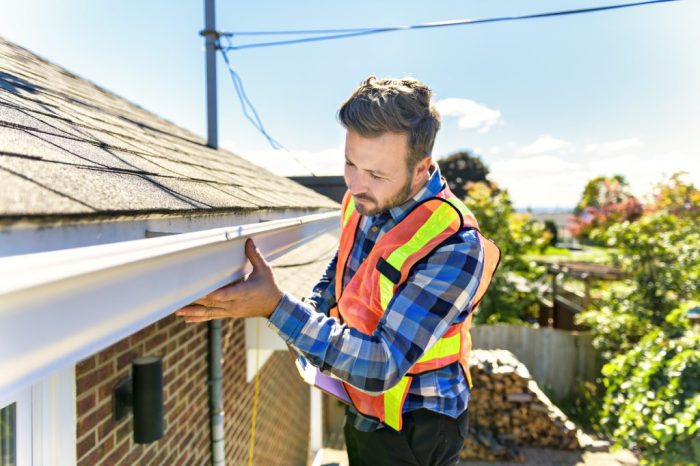
In conclusion, the expertise and dedication of roof maintenance specialists play a vital role in safeguarding your home's most important asset - the roof. By entrusting professionals with the care of your roof, you're investing in its longevity and resilience against the elements.
Stay informed, stay proactive, and ensure your roof is in the best hands possible.
Top FAQs
What qualifications are needed to become a roof maintenance specialist?
To become a roof maintenance specialist, individuals typically need certifications in roofing, training in safety protocols, and knowledge of various roofing materials and techniques.
What are some common issues identified during roof inspections?
Common issues found during roof inspections include damaged shingles, leaks, improper sealing, and signs of wear and tear that may lead to future problems.
How often should homeowners schedule roof maintenance with specialists?
It is recommended that homeowners schedule roof maintenance at least once a year to ensure any potential issues are caught early and the roof remains in optimal condition.