
Embark on a journey through the world of roofing workflow management systems, where efficiency meets innovation to revolutionize the way roofing projects are handled. From streamlining processes to enhancing productivity, these systems are the backbone of successful roofing ventures.
As we delve deeper into the realm of roofing workflow management systems, we uncover the key features that make them indispensable tools in the roofing industry.
Importance of Roofing Workflow Management Systems
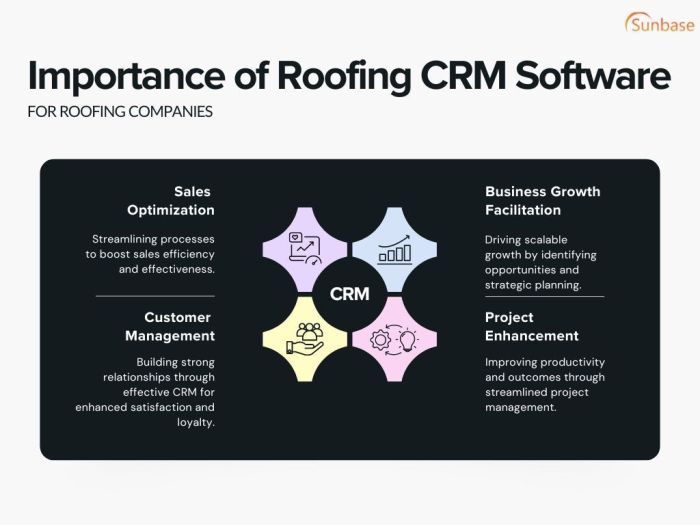
Efficient workflow management is crucial in the roofing industry to ensure projects are completed on time, within budget, and with high quality standards. Proper coordination of tasks, materials, and resources is essential for the success of any roofing project.
Streamlining Processes with Digital Systems
Using digital workflow management systems can greatly streamline processes in roofing projects. These systems allow for real-time communication between team members, accurate tracking of project progress, and instant access to important documents and information. By utilizing digital tools, roofing companies can enhance productivity and efficiency in their operations.
Benefits of Specialized Software
Specialized software designed for managing roofing workflows offers a wide range of benefits. These systems can automate repetitive tasks, such as scheduling and invoicing, reducing the potential for errors and saving time. Additionally, they provide data analytics capabilities that enable companies to make informed decisions and optimize their processes for better results.
Overall, investing in specialized software can lead to increased profitability and customer satisfaction in the roofing industry.
Key Features of Roofing Workflow Management Systems
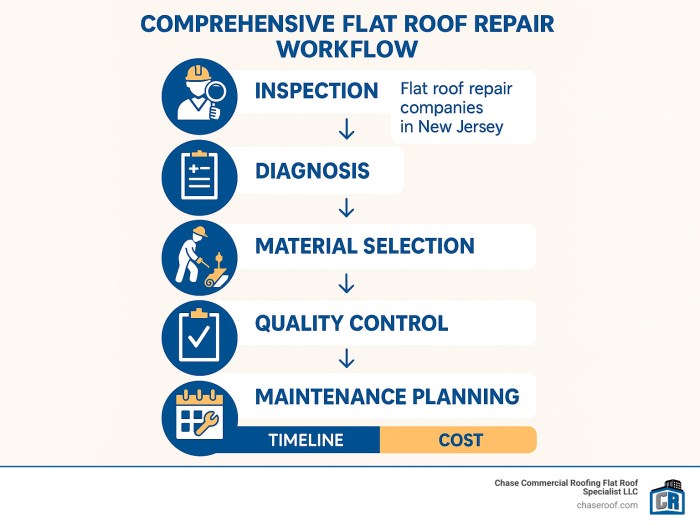
Roofing workflow management systems are essential tools for streamlining processes and increasing efficiency in roofing projects. These systems come with a variety of key features that are crucial for successful project management.
Essential Features
- Task Management: A good roofing workflow management system should allow users to assign tasks, set deadlines, and track progress efficiently.
- Communication Tools: Integrated communication tools such as messaging and notifications help teams stay connected and informed throughout the project.
- Document Management: The ability to store, organize, and access important documents and files related to the project is essential for smooth workflow.
- Scheduling and Calendar: A built-in calendar feature helps in scheduling tasks, appointments, and deadlines, ensuring timely completion of the project.
- Reporting and Analytics: Comprehensive reporting and analytics tools provide insights into project performance, helping in decision-making and improving processes.
Comparison of Software Options
There are several software options available for roofing workflow management, each offering unique features and benefits. Some popular choices include:
| Software | Key Features |
|---|---|
| RoofSnap | 3D Roof Measurement, Sketching Tools, Customer Management |
| AccuLynx | Estimating, Production Tracking, Job Costing |
| JobNimbus | CRM, Project Management, Workflow Automation |
Automation for Enhanced Productivity
- Automating repetitive tasks such as sending reminders, updating schedules, and generating reports can save time and reduce errors in roofing projects.
- Integration with other tools and software can further streamline processes and improve collaboration among team members.
- Automation of invoicing, billing, and payment processes can speed up financial transactions and improve cash flow for the project.
Implementation and Integration of Roofing Workflow Systems
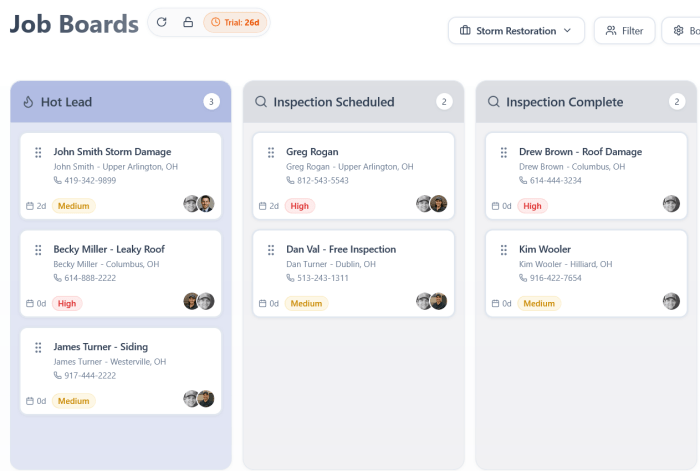
Implementing and integrating a roofing workflow management system is crucial for streamlining operations and improving efficiency in the roofing industry. Here are the steps, best practices, and challenges to consider during this process:
Steps for Successfully Implementing a Roofing Workflow Management System
- Conduct a thorough assessment of your current workflow and identify areas that need improvement.
- Set clear goals and objectives for implementing the workflow management system.
- Select a suitable software solution that meets the specific needs of your roofing business.
- Provide comprehensive training to employees to ensure they understand how to use the new system effectively.
- Gradually transition to the new system to minimize disruptions to daily operations.
- Collect feedback from users and make necessary adjustments to optimize the system.
Best Practices for Integrating Workflow Management Software with Existing Processes
- Ensure open communication with all stakeholders to get their buy-in and address any concerns.
- Customize the software to align with your unique workflows and business processes.
- Integrate the new system with other tools and software used in your roofing business for seamless data exchange.
- Regularly monitor and evaluate the performance of the workflow management system to make continuous improvements.
Challenges During Implementation and How to Overcome Them
- Resistance to change: Address this by clearly communicating the benefits of the new system and providing adequate training and support.
- Data migration issues: Plan ahead and ensure a smooth transition of data from the old system to the new one.
- Lack of user adoption: Encourage user engagement and involvement in the implementation process to increase acceptance and usage of the new system.
- Technical difficulties: Work closely with the software provider to resolve any technical issues that may arise during implementation.
Enhancing Communication and Collaboration in Roofing Projects

In the context of roofing projects, effective communication and collaboration are essential for successful outcomes. Roofing workflow management systems play a crucial role in enhancing communication among team members and improving collaboration throughout the project.
Facilitating Communication Through Roofing Workflow Systems
Roofing workflow management systems provide a centralized platform where team members can easily communicate, share updates, and coordinate tasks in real-time. This ensures that everyone is on the same page regarding project progress, deadlines, and any issues that may arise.
The Role of Collaboration Tools
Collaboration tools within roofing workflow management systems enable team members to work together seamlessly, regardless of their physical location. Features such as shared calendars, task assignments, and document sharing streamline the collaboration process and allow for efficient project management.
Successful Collaborations Enabled by Roofing Workflow Systems
- Roofing contractors and subcontractors can collaborate effectively by sharing project updates, timelines, and specifications through the workflow management system. This ensures that all parties are aligned and working towards the same goals.
- Project managers can easily communicate with team members, allocate resources, and track progress through the collaboration tools provided by the system. This leads to improved project outcomes and timely completion of roofing projects.
- Architects, engineers, and other stakeholders involved in roofing projects can collaborate seamlessly through the centralized platform offered by roofing workflow management systems. This facilitates efficient decision-making and problem-solving, ultimately enhancing project quality.
Wrap-Up
In conclusion, roofing workflow management systems offer a strategic approach to optimizing communication, enhancing collaboration, and ultimately improving project outcomes in the roofing sector. Embracing these digital solutions can pave the way for greater efficiency and success in roofing endeavors.
FAQ Summary
How can roofing workflow management systems benefit my roofing business?
Roofing workflow management systems can streamline processes, improve communication, and enhance overall productivity, leading to more efficient project completion.
What are the essential features to look for in a roofing workflow management system?
Essential features include project tracking, team collaboration tools, document management, and integration capabilities with existing software.
How can I successfully implement a roofing workflow management system in my company?
Successful implementation involves thorough training, clear communication with team members, and gradually transitioning from manual to digital processes.
What challenges may arise during the integration of workflow management software with existing processes?
Challenges may include resistance to change, data migration issues, and adapting workflows to fit the new system. Overcoming these challenges requires patience, training, and support.