
Dive into the realm of commercial roofing maintenance pricing, where various factors influence costs and different maintenance approaches play a crucial role in long-term savings. This overview sets the stage for an insightful discussion on optimizing maintenance costs while ensuring the longevity of commercial roofs.
Get ready to uncover the intricacies of pricing models, cost-effective strategies, and the importance of proactive maintenance in the world of commercial roofing.
Factors Affecting Commercial Roofing Maintenance Pricing
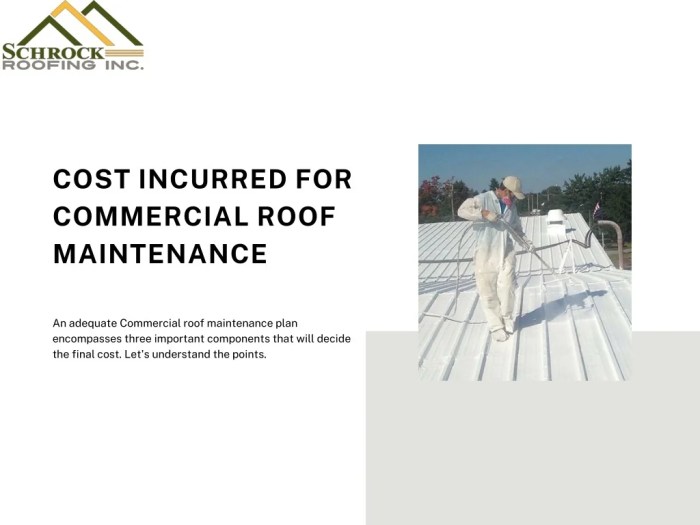
When it comes to determining the pricing for commercial roofing maintenance, several key factors come into play. Understanding these factors can help businesses budget effectively and plan for the upkeep of their roofing systems.
Size of the Roof
The size of the roof is a significant factor in determining maintenance pricing. Larger roofs require more materials and labor, which can increase the overall cost of maintenance.
Materials Used
The type of materials used for the roof also impacts pricing. High-quality materials may cost more initially but can lead to lower maintenance costs in the long run. On the other hand, cheaper materials may require more frequent repairs and replacements, driving up maintenance expenses.
Level of Damage
The extent of damage to the roof plays a crucial role in pricing. Minor repairs may be more affordable, while extensive damage or the need for complete roof replacement can significantly increase maintenance costs.
Location and Accessibility
The location of the building and the accessibility of the roof can affect maintenance pricing. Buildings in remote areas or with limited access may require additional resources, leading to higher costs for maintenance services.
Complexity of Roof Structure
The complexity of the roof structure, including features like slopes, angles, and intricate designs, can impact pricing. Roofing contractors may need specialized skills and equipment to work on complex roofs, resulting in higher maintenance costs.
Cost Comparison
Regular maintenance for commercial roofs may seem like an additional expense, but it can actually save you money in the long run. By investing in preventive maintenance, you can avoid costly reactive repairs that may arise due to neglect or lack of routine care.
Let's compare the costs of regular maintenance versus reactive repairs for commercial roofs and analyze the financial implications.
Benefits of Preventive Maintenance
- Regular inspections and minor repairs can help identify issues early on, preventing them from escalating into major problems that require costly repairs.
- Proactive maintenance can extend the lifespan of your commercial roof, saving you money on premature replacements.
- By addressing small issues promptly, you can avoid disruptions to your business operations and potential revenue loss due to roof leaks or structural damage.
Pricing Models Used in Commercial Roofing Maintenance
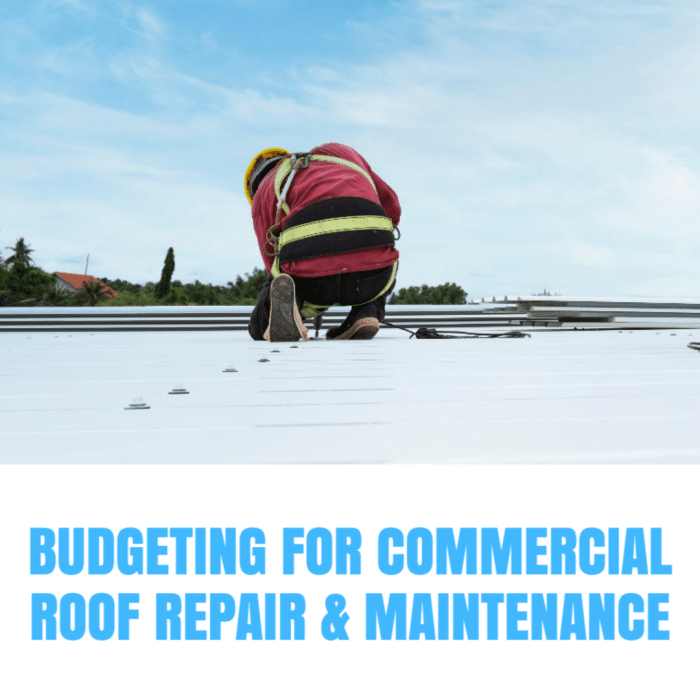
When it comes to commercial roofing maintenance, companies utilize different pricing models to determine the cost of their services. Two common pricing models include flat-rate pricing and pricing based on square footage. Each model has its own set of advantages and disadvantages, which can impact customer satisfaction and loyalty.
Flat-Rate Pricing
Flat-rate pricing involves charging a fixed price for a specific roofing maintenance service, regardless of the size or condition of the roof. This pricing model provides customers with clarity and transparency regarding costs, making budgeting easier. However, the downside of flat-rate pricing is that it may not accurately reflect the actual work required for different roofs, leading to overcharging or undercharging in some cases.
Pricing Based on Square Footage
Pricing based on square footage calculates the cost of commercial roofing maintenance based on the size of the roof area that needs servicing. This model is more tailored to the specific requirements of each roof, ensuring that customers pay for the work needed.
However, pricing based on square footage can be less predictable for customers, as the final cost may vary depending on the size and complexity of the roof.Overall, the pricing model used by a commercial roofing maintenance company can significantly impact customer satisfaction and loyalty.
While flat-rate pricing provides transparency and simplicity, pricing based on square footage offers a more personalized approach. Companies must carefully consider the pros and cons of each pricing model to determine the best fit for their business and their customers.
Strategies to Optimize Commercial Roofing Maintenance Costs
Regular maintenance of a commercial roof is essential to ensure its longevity and prevent costly repairs. Here are some strategies to help businesses reduce their commercial roofing maintenance costs:
Importance of Regular Inspections
Regular inspections can help identify minor issues before they escalate into major problems, saving businesses money in the long run. By scheduling routine inspections, businesses can address any issues promptly and avoid costly repairs.
Extending the Lifespan of a Commercial Roof
Proper maintenance, such as cleaning gutters, removing debris, and repairing minor damages, can significantly extend the lifespan of a commercial roof. By investing in regular upkeep, businesses can avoid premature roof replacement and save on costs.
Negotiating Pricing with Service Providers
When hiring roofing maintenance service providers, businesses should shop around and compare quotes from different companies. By negotiating pricing and discussing the scope of work in detail, businesses can ensure they are getting the best value for their money. Additionally, establishing long-term partnerships with reliable service providers can lead to discounted rates and savings in the long term.
Last Point

In conclusion, understanding the nuances of commercial roofing maintenance pricing is essential for businesses looking to manage costs effectively and prolong the lifespan of their roofs. By implementing the right strategies and pricing models, companies can save money in the long run while ensuring the structural integrity of their commercial properties.
Helpful Answers
What factors influence commercial roofing maintenance pricing?
Factors such as roof size, materials used, level of damage, location, accessibility, and complexity of the roof structure can impact pricing.
How do preventive maintenance costs compare to reactive repairs for commercial roofs?
Preventive maintenance costs are generally lower than reactive repairs in the long run, as they help avoid major damage and costly repairs.
What are the common pricing models used by commercial roofing maintenance companies?
Common pricing models include flat-rate pricing and pricing based on square footage, each with its own advantages and disadvantages in terms of customer satisfaction and loyalty.
What strategies can businesses use to optimize commercial roofing maintenance costs?
Businesses can reduce costs by conducting regular inspections, extending the lifespan of roofs through proper maintenance, and negotiating pricing with service providers.