
Exploring the intricacies of industrial roof replacement cost unveils a world of key considerations and decisions. From materials to estimation methods, this journey delves into the core aspects shaping the financial landscape of replacing industrial roofs.
Factors influencing industrial roof replacement cost
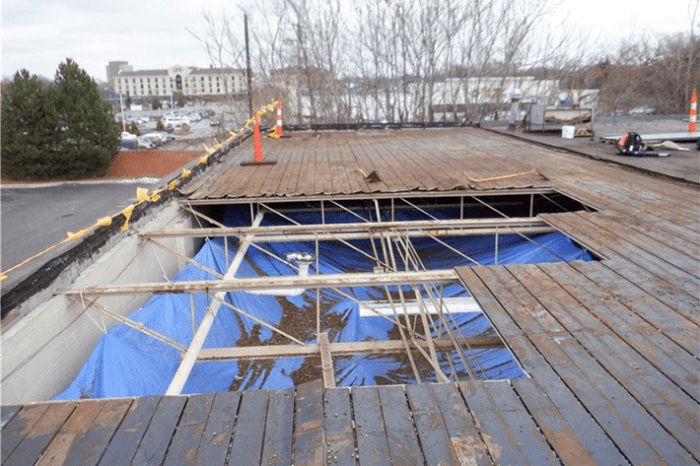
When it comes to determining the cost of replacing an industrial roof, several factors come into play. These factors can significantly impact the total cost and must be carefully considered before starting any roofing project.
Roof Size
The size of the industrial roof is a crucial factor in determining the cost of replacement. Larger roofs require more materials and labor, leading to higher overall costs. A larger surface area means more time and effort needed to complete the replacement, increasing the expenses.
Roofing Material
The choice of roofing material also plays a significant role in the cost of replacement. Different materials come at varying price points, with some being more expensive than others. For example, metal roofing tends to be more costly upfront but offers long-term durability, while asphalt shingles are more budget-friendly but may require more frequent replacements.
Roof Complexity
The complexity of the industrial roof, including its design and features, can impact the overall cost of replacement. Roofs with intricate designs, multiple levels, or unique architectural elements will require more time and expertise to replace, leading to higher costs.
Additionally, if there are existing issues such as leaks or structural damage, the complexity of the project will increase, affecting the final price.
Location
The location of the industrial building can also influence the cost of roof replacement. Factors such as accessibility, local labor rates, and permits required can vary depending on the region. For example, replacing a roof in a remote area with limited access may require additional transportation costs for materials and workers, ultimately increasing the overall expense.Overall, when planning for industrial roof replacement, it is essential to consider these factors carefully to ensure an accurate estimation of the total cost.
By understanding how roof size, material, complexity, and location can impact pricing, you can better prepare for the financial aspect of the project.
Types of industrial roofing materials and their cost implications
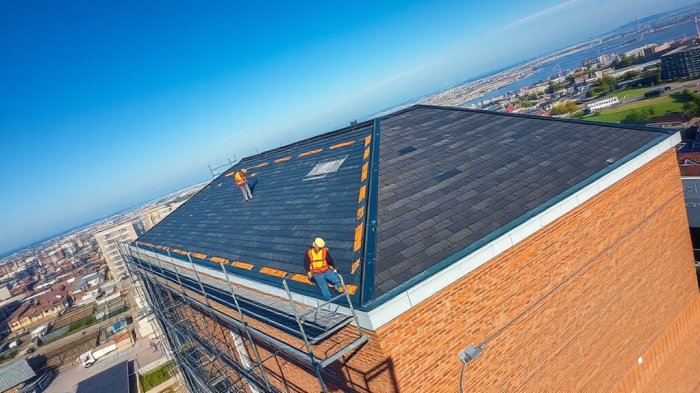
Industrial roofs can be made from a variety of materials, each with its own advantages and cost implications. Choosing the right material for your industrial roof replacement can significantly impact the overall cost and longevity of the roof.
Metal Roofing
Metal roofing is a popular choice for industrial buildings due to its durability and longevity. While metal roofs tend to have a higher upfront cost compared to other materials, they require minimal maintenance and have a long lifespan, making them a cost-effective option in the long run.
PVC Roofing
PVC roofing is another common choice for industrial roofs. PVC roofs are lightweight, durable, and resistant to chemicals and fire. However, PVC roofing can be more expensive upfront compared to other materials such as EPDM.
TPO Roofing
Thermoplastic Olefin (TPO) roofing is known for its energy efficiency and ease of installation. TPO roofs are typically white, which helps reflect sunlight and reduce cooling costs. While TPO roofing may have a lower initial cost than PVC or metal, it may not be as durable in certain climates.
EPDM Roofing
Ethylene Propylene Diene Monomer (EPDM) roofing is a synthetic rubber material known for its durability and resistance to UV rays. EPDM roofs are cost-effective and easy to install, but they may not be as long-lasting as metal roofs.When considering the replacement cost of an industrial roof, it is essential to weigh the pros and cons of each material type.
Factors such as durability, maintenance requirements, energy efficiency, and climate considerations should all be taken into account to determine the most cost-effective option for your industrial building.
Cost estimation methods for industrial roof replacement
When it comes to estimating the cost of replacing an industrial roof, there are various methods that roofing contractors typically use. It is important to understand these methods and the factors that influence the overall project cost.
Different methods used to estimate the cost of replacing an industrial roof
- Roofing contractors may use square footage as a basis for estimating the cost of a roof replacement. They calculate the total square footage of the roof and then multiply it by a predetermined cost per square foot.
- Some contractors may use a unit cost method, where they assign a cost to each individual component of the roof replacement project, such as materials, labor, and overhead expenses.
- Another common method is the lump sum or fixed price approach, where the contractor provides a single, comprehensive quote for the entire project based on their assessment of the scope of work.
Describe how roofing contractors typically calculate project costs
Roofing contractors calculate project costs by considering various factors such as the size and complexity of the roof, the type of materials to be used, labor costs, equipment rentals, permits, and any additional services required. They also take into account overhead expenses and profit margins when determining the final cost for the project.
Discuss the importance of obtaining multiple quotes for cost comparison
Obtaining multiple quotes from different roofing contractors is crucial for cost comparison. By getting multiple quotes, you can compare the prices, services offered, and the quality of materials to make an informed decision. This allows you to choose the most competitive bid that meets your budget and project requirements.
Cost-saving tips for industrial roof replacement projects
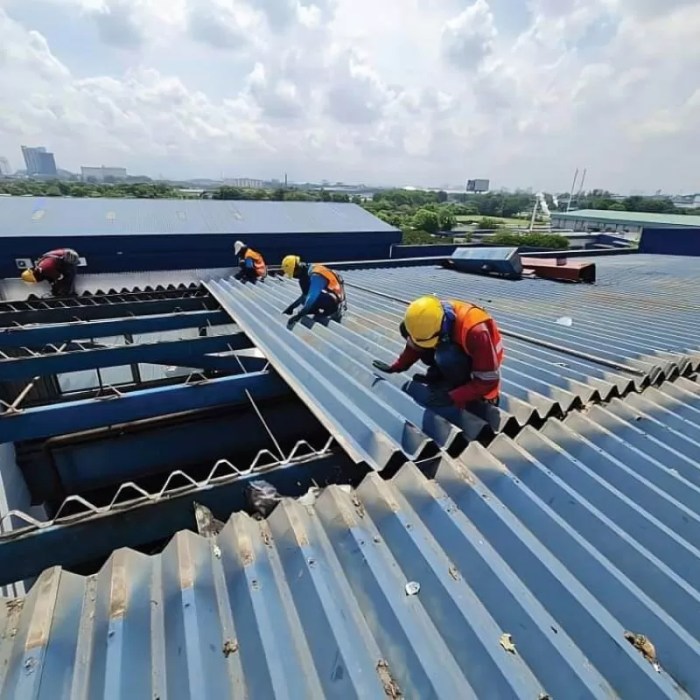
When undertaking an industrial roof replacement project, it is crucial to consider cost-saving strategies to ensure that the project stays within budget. By implementing certain measures, businesses can reduce costs and still achieve a successful roof replacement.
Benefits of Preventative Maintenance
Preventative maintenance plays a significant role in extending the lifespan of industrial roofs and avoiding costly replacements. Regular inspections, timely repairs, and proactive maintenance can help identify issues early on, preventing them from escalating into major problems that require a full roof replacement.
Investing in preventative maintenance can ultimately save businesses money in the long run by avoiding expensive replacement costs.
Negotiating Pricing with Roofing Contractors
When hiring roofing contractors for an industrial roof replacement project, it is essential to negotiate pricing effectively to secure the best deal. Here are some tips to help businesses negotiate pricing with roofing contractors:
- Obtain multiple quotes from different contractors to compare prices and services offered.
- Ask for a detailed breakdown of the costs involved in the project to understand where the expenses are coming from.
- Negotiate the scope of work and materials used to find cost-effective solutions without compromising quality.
- Consider bundling services or projects to potentially receive discounts from contractors.
- Discuss payment terms and schedules to ensure financial flexibility throughout the project.
By negotiating pricing with roofing contractors, businesses can potentially save money on their industrial roof replacement projects while still receiving quality workmanship and materials.
Wrap-Up
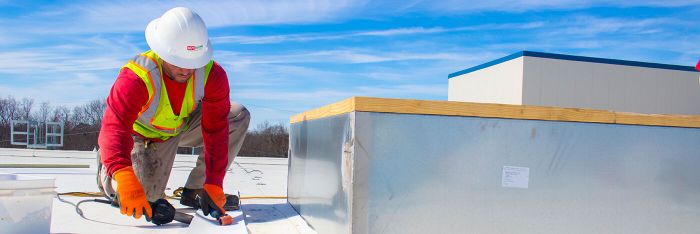
In essence, industrial roof replacement cost is a multifaceted realm where choices and factors intertwine to define the bottom line. By understanding the nuances of each element, one can navigate this landscape with clarity and foresight.
Clarifying Questions
How can roof size impact the cost of industrial roof replacement?
Roof size directly influences the amount of materials needed and labor costs, resulting in a higher replacement cost for larger roofs.
What are common types of industrial roofing materials?
Common types include metal, PVC, TPO, and EPDM, each with varying costs and benefits.
Why is obtaining multiple quotes important for cost comparison?
Multiple quotes help in gauging the market rates and finding the most competitive pricing for industrial roof replacement.