
Industrial flat roofing systems lay the foundation for a fascinating exploration, offering readers a detailed look at the various options available. From built-up roofing to single-ply roofing and metal roofing, the choices are vast and diverse. This guide will delve into the benefits, installation, maintenance, and considerations involved in selecting the right industrial flat roofing system for your needs.
Types of Industrial Flat Roofing Systems
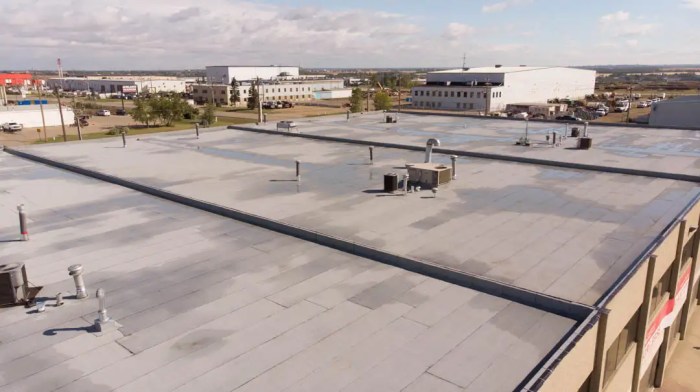
Industrial buildings often require different types of flat roofing systems to meet their specific needs. Three common types of industrial flat roofing systems are built-up roofing, single-ply roofing, and metal roofing.
Built-Up Roofing
Built-up roofing systems consist of multiple layers of bitumen and reinforcing materials, such as gravel or asphalt, that are built up on the roof surface. This type of roofing is known for its durability and waterproofing properties, making it suitable for industrial buildings exposed to harsh weather conditions.
Examples of industrial buildings where built-up roofing is commonly used include warehouses, factories, and distribution centers.
Single-Ply Roofing
Single-ply roofing systems are made of a single layer of synthetic material, such as EPDM, TPO, or PVC, that is laid over the roof substrate. This type of roofing is lightweight, flexible, and easy to install, making it a popular choice for industrial buildings with large roof areas.
Single-ply roofing is commonly used in industrial facilities like shopping centers, office complexes, and schools.
Metal Roofing
Metal roofing systems are made of metal panels or sheets that are installed over the roof structure. Metal roofing is known for its longevity, strength, and energy efficiency, making it ideal for industrial buildings looking to reduce energy costs and maintenance expenses.
Industrial buildings where metal roofing is commonly used include agricultural facilities, aircraft hangars, and manufacturing plants.
Benefits of Industrial Flat Roofing Systems
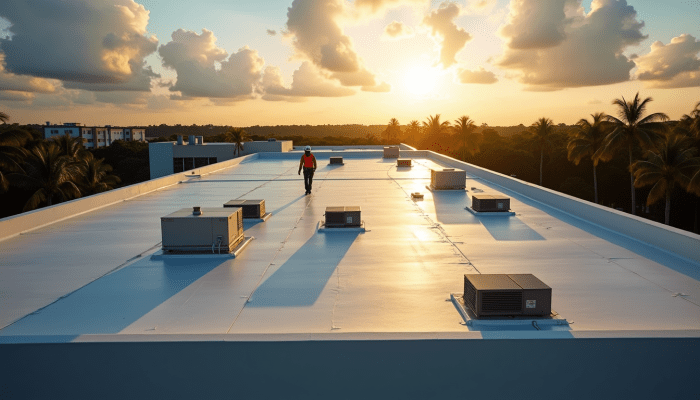
Industrial flat roofing systems offer numerous advantages for commercial buildings, making them a popular choice in the construction industry. These benefits include enhanced energy efficiency, sustainability, durability, and longevity compared to traditional sloped roofs.
Energy Efficiency and Sustainability
Industrial flat roofing systems are designed to be highly energy-efficient, helping to reduce heating and cooling costs for commercial buildings. The flat surface allows for easy installation of solar panels, green roofs, and other energy-saving technologies that can further enhance the building's sustainability.
By utilizing these features, industrial flat roofs contribute to a greener environment and lower carbon footprint.
Durability and Longevity
One of the key advantages of industrial flat roofing systems is their exceptional durability and longevity. These roofs are built to withstand harsh weather conditions, including heavy rain, strong winds, and snow accumulation. With proper maintenance, industrial flat roofs can last for decades, providing long-term protection for commercial buildings and minimizing the need for frequent repairs or replacements.
This durability also translates to cost savings over time, making industrial flat roofing systems a cost-effective choice for building owners.
Installation and Maintenance of Industrial Flat Roofing Systems
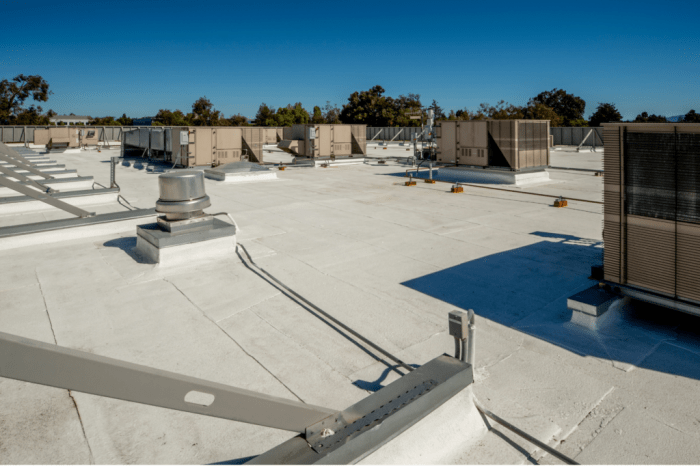
When it comes to industrial flat roofing systems, proper installation and maintenance are crucial to ensure their longevity and effectiveness. Here, we will discuss the step-by-step process of installing an industrial flat roofing system, provide tips for maintenance, and address common issues that may arise.
Installation of Industrial Flat Roofing Systems
Installing an industrial flat roofing system requires careful planning and execution to ensure a durable and watertight structure. Here is a basic step-by-step process:
- 1. Roof Inspection: Before installation, conduct a thorough inspection of the existing roof to identify any weaknesses or areas that need repair.
- 2. Surface Preparation: Clean the roof surface and make necessary repairs to ensure a smooth and even base for the new roofing system.
- 3. Membrane Installation: Apply the selected roofing membrane according to manufacturer guidelines, ensuring proper adhesion and sealing of seams.
- 4. Flashing and Edging: Install flashing around roof penetrations and edges to prevent water infiltration and ensure a watertight seal.
- 5. Final Inspection: Once the installation is complete, conduct a final inspection to check for any defects or areas that may need additional attention.
Maintenance Tips for Industrial Flat Roofing Systems
Regular maintenance is essential to prolong the lifespan of industrial flat roofing systems and prevent costly repairs. Here are some tips for maintaining industrial flat roofing systems:
- 1. Schedule Regular Inspections: Inspect the roof at least twice a year to check for damage, debris buildup, or signs of wear and tear.
- 2. Clear Debris: Remove leaves, branches, and other debris from the roof to prevent water pooling and potential damage.
- 3. Address Repairs Promptly: If you notice any leaks, cracks, or damage, address them promptly to prevent further deterioration.
- 4. Trim Nearby Trees: Trim overhanging branches to prevent damage from falling debris and reduce the risk of damage to the roofing system.
Common Issues and Solutions for Industrial Flat Roofing Systems
Despite proper installation and maintenance, industrial flat roofing systems may encounter common issues that require attention. Here are some common problems and effective solutions:
- 1. Ponding Water: Address drainage issues to prevent water from pooling on the roof, which can lead to leaks and structural damage.
- 2. Membrane Damage: Repair any tears, punctures, or blistering in the roofing membrane to maintain a watertight seal.
- 3. Poor Insulation: Improve insulation to prevent energy loss and maintain a consistent indoor temperature.
- 4. Roof Leaks: Identify and repair leaks promptly to prevent water damage to the interior of the building.
Considerations for Choosing Industrial Flat Roofing Systems
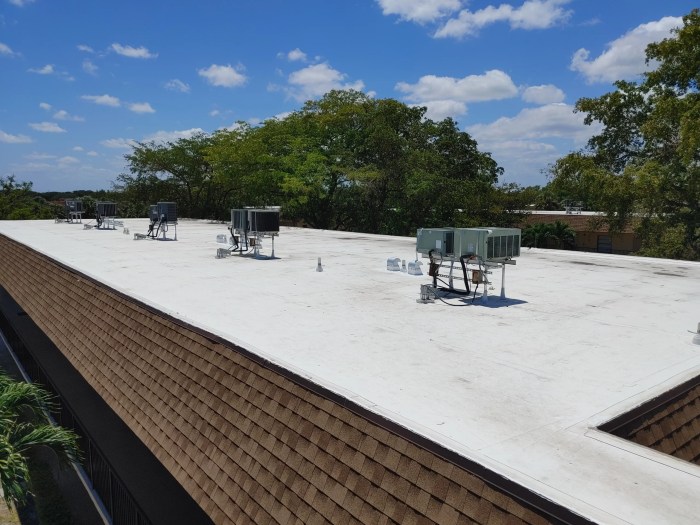
When selecting an industrial flat roofing system for a specific building or project, several important factors need to be considered. The role of climate, building size, and intended use play a crucial role in determining the most suitable roofing system.
Additionally, cost, maintenance requirements, and warranties also impact the decision-making process significantly.
Climate Considerations
Climate is a key factor to consider when choosing an industrial flat roofing system. Different roofing materials perform better in specific climates. For example, some materials may be better suited for hot and sunny climates, while others are more suitable for areas with heavy rainfall or snow.
Building Size and Intended Use
The size of the building and its intended use will also influence the choice of roofing system. Larger buildings may require more robust roofing materials to support the structure. Additionally, the intended use of the building, whether it is a warehouse, manufacturing facility, or office space, will impact the type of roofing system needed to meet the specific requirements of that use.
Cost, Maintenance, and Warranties
Cost considerations are crucial when selecting an industrial flat roofing system. The initial cost of the materials and installation, as well as long-term maintenance costs, should be taken into account. Additionally, the warranty offered by the roofing manufacturer can provide peace of mind and financial protection in case of any issues with the roof.
Final Conclusion
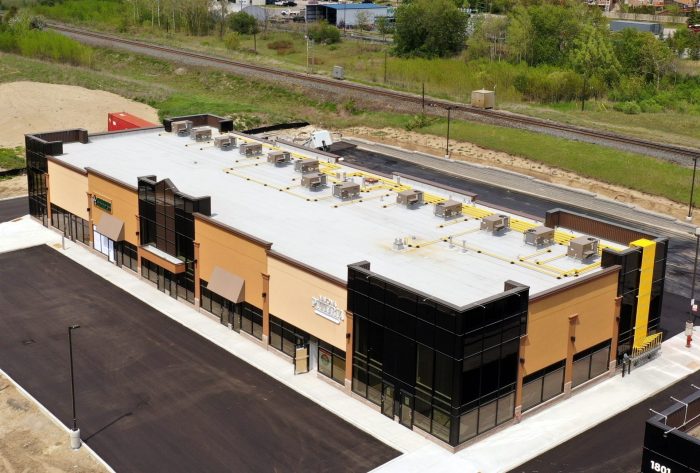
In conclusion, industrial flat roofing systems emerge as a durable, energy-efficient, and sustainable solution for commercial buildings. By understanding the nuances of installation, maintenance, and selection criteria, one can make informed decisions to ensure the longevity and functionality of their industrial flat roof.
Key Questions Answered
What are the different types of industrial flat roofing systems?
Common types include built-up roofing, single-ply roofing, and metal roofing.
How do industrial flat roofing systems contribute to energy efficiency?
They provide better insulation and reflective properties, reducing the energy needed for heating or cooling.
What are some common maintenance tips for industrial flat roofing systems?
Regular inspections, prompt repairs, and keeping the roof clean of debris can help prolong its lifespan.