
Delving into the realm of roofing labor cost estimates, we uncover the intricate web of factors that influence pricing, the diverse methods used for calculations, strategies for negotiation and budgeting, and real-life case studies that shed light on successful estimates.
Prepare to embark on a journey filled with insights and valuable information in the world of roofing labor costs.
Factors Affecting Roofing Labor Cost Estimate
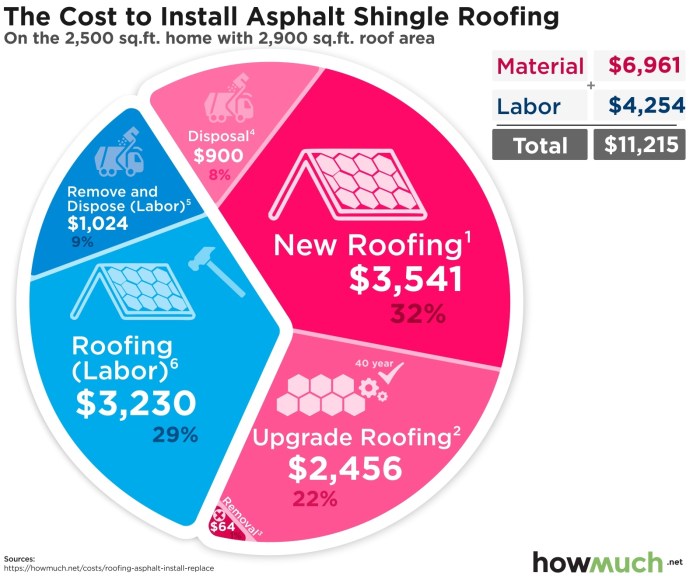
When estimating roofing labor costs, several key factors come into play that can significantly impact the overall cost. Understanding these factors is crucial for accurately budgeting for a roofing project.
Materials
The type and quality of materials used for roofing can greatly influence labor costs. High-quality materials may require more skilled labor for installation, leading to higher costs. For example, a metal roof installation will typically cost more in labor compared to asphalt shingles due to the expertise needed.
Roof Size
The size of the roof directly affects the labor required for installation. Larger roofs will naturally require more time and labor to complete the job, resulting in higher labor costs. For instance, a commercial building with a vast roof area will incur more labor expenses compared to a small residential roof.
Slope
The slope or pitch of the roof can impact the difficulty of the installation process. Steeper slopes are more challenging to work on and may require additional safety measures and specialized equipment, leading to increased labor costs. A steeply sloped roof will involve more time and effort for workers, thus raising the overall labor estimate.
Complexity
The complexity of the roof design also plays a significant role in determining labor costs. Intricate roof structures with multiple angles, cuts, or features will require more labor to install properly. For example, a roof with dormers, skylights, or chimneys will demand additional time and expertise, resulting in higher labor expenses.
Location
The geographic location of the project site can impact labor costs due to varying wage rates, building regulations, and accessibility. Urban areas with higher living costs and stricter building codes may have higher labor rates compared to rural areas. Additionally, remote locations or sites with limited access can increase labor expenses due to logistical challenges.
Season
The time of year when the roofing project takes place can influence labor costs. Peak seasons, such as spring and summer, when roofing activity is high, may lead to higher labor rates due to increased demand. On the other hand, scheduling the project during the off-peak season can sometimes result in lower labor costs as contractors may offer discounts to attract business.Considering these factors when estimating roofing labor costs is essential for accurate budgeting and ensuring that the project stays within financial expectations.
Methods for Calculating Roofing Labor Cost Estimate
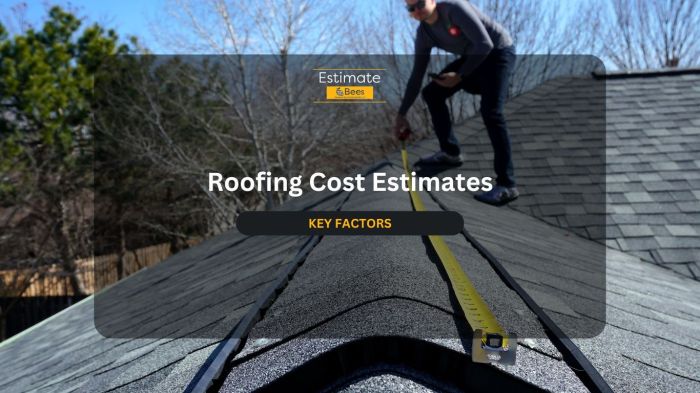
When it comes to determining the labor cost for a roofing project, there are several methods that contractors use to ensure accurate estimates. Understanding these methods can help you plan and budget effectively for your roofing needs.Estimating labor costs for roofing projects can be done through various methods such as square footage calculations, hourly rates, or considering the complexity of the project.
Each method has its own advantages and considerations when it comes to accuracy and efficiency.
Square Footage Calculation
Calculating labor costs based on square footage involves determining the total area of the roof that needs to be worked on. This method is commonly used for simpler roofing projects where the size of the roof is the primary factor influencing labor requirements.
- Measure the length and width of the roof to calculate the total square footage.
- Apply a labor cost per square foot, which can vary based on the region and type of roofing material.
- Consider additional factors such as roof pitch, accessibility, and any unique features that may impact labor costs.
Hourly Rates
Another method for estimating labor costs is by using hourly rates, where contractors charge per hour worked on the project. Hourly rates can be more flexible and suitable for projects with varying levels of complexity or unforeseen challenges.
It is important to clarify what is included in the hourly rate, such as labor, equipment, and any additional fees.
Project Complexity
Labor costs can also be estimated based on the complexity of the roofing project. Factors such as the type of roofing material, roof design, and installation requirements play a significant role in determining labor costs.
- Complex projects may require specialized skills or equipment, which can impact labor costs.
- Consider the time and effort needed to complete the project when estimating labor costs for more complex roofing installations.
- Consult with roofing professionals to get a better understanding of the labor requirements for your specific project.
Manual Calculations vs. Specialized Software
When it comes to calculating roofing labor costs, contractors can choose to manually calculate estimates or use specialized software for more precise calculations. While manual calculations may be sufficient for simpler projects, specialized software can offer greater accuracy and efficiency for more complex roofing installations.
Specialized software can help contractors account for various factors, such as material costs, labor hours, and overhead expenses, to provide a detailed labor cost estimate.
Tips for Ensuring Accurate Labor Cost Estimates
To ensure a comprehensive and accurate labor cost estimate for your roofing project, consider the following tips:
- Obtain multiple quotes from different contractors to compare labor costs and services offered.
- Provide detailed information about your project requirements to receive more accurate estimates.
- Ask about any potential additional costs or factors that may impact labor expenses.
- Factor in contingency funds for unexpected challenges or changes during the project.
- Regularly communicate with the contractor to stay updated on any changes to the labor cost estimate.
Negotiating and Budgeting Roofing Labor Costs
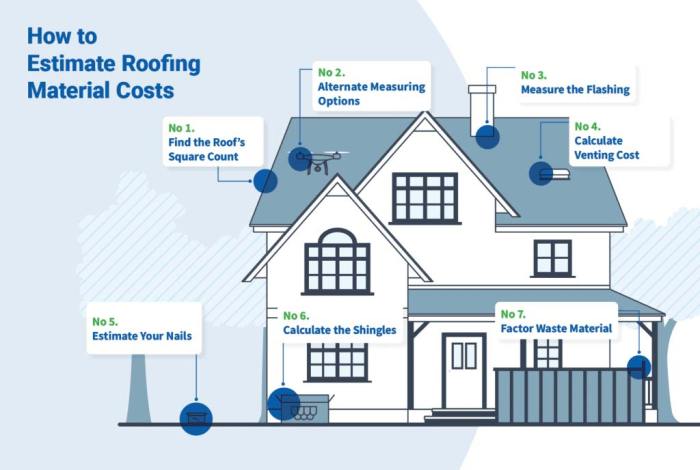
When it comes to negotiating and budgeting roofing labor costs, it is essential to find a balance between quality workmanship and cost-effectiveness. By employing effective strategies and careful planning, you can ensure that your roofing project stays within budget without compromising on the quality of work.
Strategies for Negotiating Labor Costs
- Obtain multiple quotes from different roofing contractors to compare prices and services offered.
- Negotiate based on the scope of work required and the timeline for completion.
- Consider offering to pay a portion of the labor costs upfront in exchange for a lower overall price.
- Ask for references and check the contractor's reputation before agreeing to a price.
Creating a Budget for Roofing Labor Costs
- Start by determining the total budget for the roofing project, including materials, labor, and any additional costs.
- Allocate a specific amount for labor costs based on the scope of work and average labor rates in your area.
- Factor in potential unexpected costs or overruns by setting aside a contingency fund within your budget.
- Regularly monitor expenses and adjust the budget as needed to stay on track.
Balancing Quality Workmanship with Cost-Effective Labor Rates
- Communicate your expectations clearly with the roofing contractor to ensure that the work meets your standards.
- Avoid compromising on quality for the sake of lower labor costs, as this could lead to costly repairs in the future.
- Seek recommendations from trusted sources to find contractors who offer a good balance of quality and affordability.
- Consider the long-term benefits of investing in quality workmanship, as it can increase the lifespan of your roof and reduce maintenance costs.
Tips for Avoiding Unexpected Labor Cost Overruns
- Set clear expectations and timelines with the roofing contractor to avoid delays that could increase labor costs.
- Regularly communicate with the contractor to address any issues or changes that may impact the budget.
- Review the contract carefully to ensure that all costs and conditions are clearly Artikeld before starting the project.
- Maintain open communication throughout the project to address any unexpected challenges promptly and prevent cost overruns.
Case Studies and Examples

When it comes to roofing labor cost estimates, real-life case studies can provide valuable insights into successful project outcomes. Analyzing examples where accurate labor cost estimates led to cost savings or project success can help in understanding the importance of precise calculations.
Let's delve into detailed breakdowns of labor costs in different roofing scenarios and discuss the challenges faced along with lessons learned in estimating roofing labor costs.
Case Study 1: Residential Roof Replacement
For a residential roof replacement project, the roofing contractor accurately estimated the labor costs based on the size of the roof, materials needed, and the complexity of the job. By providing a detailed breakdown of labor costs, including the number of labor hours required and the hourly rate, the contractor was able to complete the project within the budget and on time.
This accurate estimation resulted in cost savings for the homeowner and a successful project outcome.
Case Study 2: Commercial Roof Repair
In a commercial roof repair project, a roofing company faced challenges in estimating labor costs due to unforeseen structural issues that required additional labor hours. Despite the initial setbacks, the company adjusted their estimates based on the new information, renegotiated the contract with the client, and successfully completed the project within the revised budget.
This example highlights the importance of flexibility and adaptability in estimating roofing labor costs.
Case Study 3: New Construction Project
For a new construction project requiring a large-scale roofing installation, accurate labor cost estimates played a crucial role in securing the contract. By providing a competitive bid based on detailed labor cost breakdowns, the roofing company was able to win the project bid over competitors.
The project's success was attributed to the thorough estimation of labor costs, which helped in allocating resources efficiently and delivering the project on schedule.
Summary
As we draw the curtains on this discussion about roofing labor cost estimates, we reflect on the importance of understanding the factors, methods, negotiation tactics, and real-world examples that shape the landscape of pricing in the roofing industry. With this newfound knowledge, you are better equipped to navigate the complexities of estimating labor costs for roofing projects.
Top FAQs
What are some key factors influencing roofing labor cost estimates?
Factors such as materials, roof size, slope, complexity, location, and season can significantly impact the overall cost.
What are the different methods used to calculate roofing labor costs?
Methods include estimating based on square footage, hourly rates, or project complexity.
How can one negotiate labor costs with roofing contractors?
Discussing strategies and creating a budget aligned with the overall project budget are essential for negotiating labor costs.
Can you provide examples of successful roofing labor cost estimates?
Real-life case studies and detailed breakdowns of labor costs in different scenarios can showcase successful estimates.