
Diving into the realm of energy saving roofing systems, this introduction aims to shed light on the importance of incorporating sustainable practices in construction. From reducing carbon footprint to long-term cost savings, energy efficient roofs play a crucial role in modern architecture and environmental conservation.
Introduction to Energy Saving Roofing Systems
Energy-saving roofing systems are innovative solutions designed to reduce energy consumption in buildings by improving insulation, reflecting sunlight, and enhancing ventilation.
Energy-efficient roofs play a crucial role in promoting sustainability and reducing carbon footprint. By minimizing the heat transfer between the interior and exterior of a building, these systems help maintain comfortable indoor temperatures while lowering energy costs.
Benefits of Using Energy-Saving Roofing Systems
- Improved Energy Efficiency: Energy-saving roofing systems can significantly reduce the need for heating and cooling, leading to lower energy bills.
- Enhanced Comfort: By regulating indoor temperatures effectively, these roofs create a more comfortable living or working environment.
- Extended Roof Lifespan: The insulation and reflective properties of energy-saving roofs can help prolong the life of the roof by reducing wear and tear.
- Environmental Impact: Energy-efficient roofs contribute to reducing greenhouse gas emissions and overall energy consumption, making them a sustainable choice for eco-conscious individuals.
Types of Energy Saving Roofing Systems
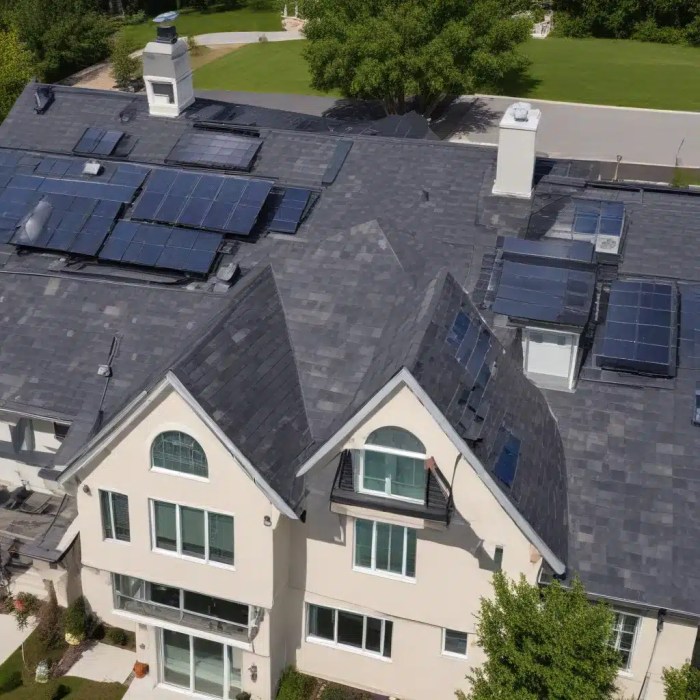
Energy-saving roofing systems come in various types, each offering unique features and advantages that cater to different needs. Below are some of the common types available in the market:
Solar Roofing Systems
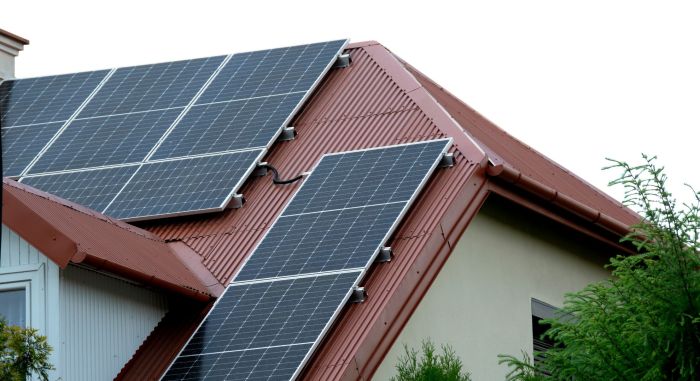
Solar roofing systems are designed to harness the power of the sun to generate electricity for your home or building. These systems typically consist of solar panels installed on the roof, which convert sunlight into usable energy. One of the key advantages of solar roofing systems is their ability to reduce electricity bills and lower carbon footprint.
- Features:
- Ability to generate renewable energy
- Reduce electricity costs
- Environmentally friendly
- Examples:
- Tesla Solar Roof
- SunPower Equinox System
Cool Roofing Systems
Cool roofing systems are designed to reflect sunlight and absorb less heat compared to traditional roofing materials. By keeping the building cooler, these systems can reduce the need for air conditioning and overall energy consumption. Cool roofs are typically made of reflective materials such as white membranes or coatings.
- Features:
- Reflect sunlight to reduce heat absorption
- Lower cooling costs
- Extend roof lifespan
- Examples:
- GAF Timberline Cool Series Shingles
- IB Roof Systems Cool Roof Membrane
Green Roofing Systems
Green roofing systems involve the incorporation of vegetation or plants on the roof surface, providing insulation, reducing stormwater runoff, and improving air quality. These systems offer environmental benefits and can enhance the aesthetics of the building.
- Features:
- Natural insulation
- Stormwater management
- Enhanced biodiversity
- Examples:
- Vegetated roofing systems
- Intensive green roofs
Materials Used in Energy Saving Roofing Systems
When it comes to energy-saving roofing systems, the materials used play a crucial role in achieving efficiency and sustainability. These materials are carefully selected to provide insulation, reflectivity, and durability, ultimately contributing to energy savings for the building.
Common Materials Used
- Reflective Roof Coatings: These coatings are designed to reflect sunlight and heat away from the building, reducing the amount of heat absorbed through the roof. This helps in maintaining lower indoor temperatures and reducing the need for air conditioning.
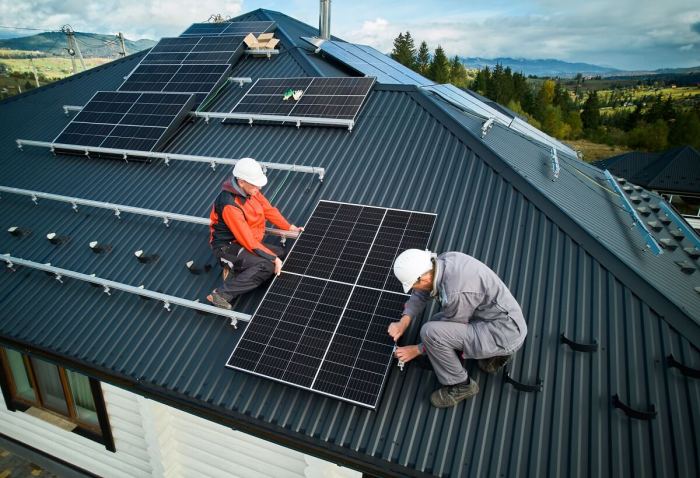
- Solar Panels: Solar panels are often integrated into roofing systems to harness solar energy and convert it into electricity. This renewable energy source can power the building and reduce reliance on traditional energy sources.
- Cool Roofing Materials: These materials are designed to have high solar reflectance and thermal emittance, keeping the roof surface cooler and reducing heat transfer to the building below. This helps in maintaining a comfortable indoor environment and reducing energy consumption.
Contribution to Energy Savings
- Insulation: Energy-saving roofing materials provide better insulation, reducing heat loss in the winter and heat gain in the summer. This helps in maintaining consistent indoor temperatures and lowering the workload on heating and cooling systems.
- Reflectivity: Materials with high reflectivity properties help in reducing the amount of heat absorbed by the building, resulting in lower cooling loads and energy consumption.
- Durability: Energy-saving roofing materials are often durable and long-lasting, reducing the need for frequent repairs and replacements. This not only saves on maintenance costs but also contributes to the sustainability of the building.
Installation and Maintenance of Energy Saving Roofing Systems
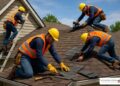
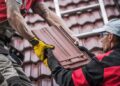
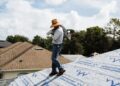
Installing energy-saving roofing systems involves several steps to ensure proper functionality and efficiency. It is crucial to follow manufacturer guidelines and hire professional contractors for the installation process. Regular maintenance is also key to prolonging the lifespan of these roofs and maximizing their energy-saving benefits.
Installation Process
- Clearing the existing roof surface of debris and old materials.
- Inspecting the roof structure for any damage or issues that need to be addressed.
- Applying the energy-saving roofing system according to manufacturer specifications.
- Ensuring proper sealing and insulation to improve energy efficiency.
- Conducting a final inspection to check for any defects or areas that may need additional attention.
Maintenance Tips
Regular maintenance is essential to keep energy-saving roofing systems in optimal condition and extend their lifespan. Here are some tips for maintaining these roofs:
- Inspect the roof regularly for any signs of damage, such as leaks or cracks.
- Clean the roof surface to remove debris, dirt, and leaves that can accumulate and cause potential issues.
- Trim overhanging branches to prevent damage to the roof and ensure proper drainage.
- Check the insulation and sealing to ensure they are intact and functioning effectively.
Cost-Effectiveness of Maintenance
Regular maintenance may require upfront costs, but it is highly cost-effective in the long run. By addressing small issues promptly and conducting routine inspections, you can prevent major problems that could lead to costly repairs or premature roof replacement. Investing in maintenance can help you save money on energy bills, increase the lifespan of your roof, and maintain a comfortable indoor environment.
Environmental Impact of Energy Saving Roofing Systems
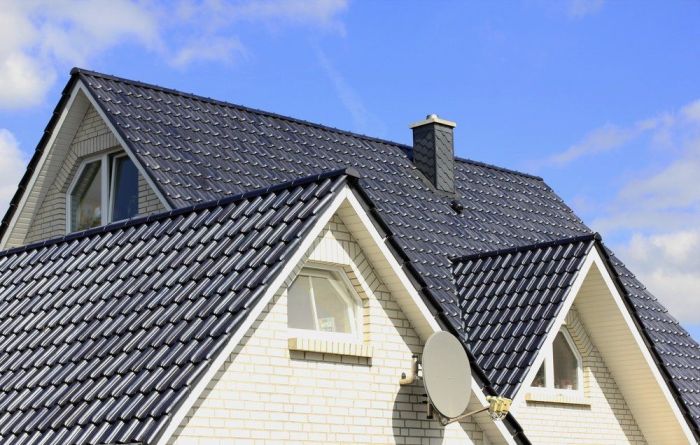
Energy-saving roofing systems play a crucial role in reducing the carbon footprint of buildings. By incorporating energy-efficient materials and construction techniques, these roofs help minimize energy consumption, leading to lower greenhouse gas emissions.
Reducing Carbon Footprint
Energy-saving roofs are designed to enhance insulation and regulate indoor temperatures effectively. This reduces the need for excessive heating or cooling, thereby decreasing the reliance on energy sources that contribute to carbon emissions.
Sustainable Building Practices
Implementing energy-saving roofing systems aligns with sustainable building practices by promoting resource efficiency and environmental responsibility. By reducing energy consumption, these roofs support the overall sustainability goals of a building project.
Long-Term Environmental Benefits
Over time, the environmental benefits of using energy-efficient roofing become increasingly evident. Buildings with energy-saving roofs experience lower energy bills, reduced strain on natural resources, and contribute positively to the overall environmental health of the surrounding area.
Closing Summary
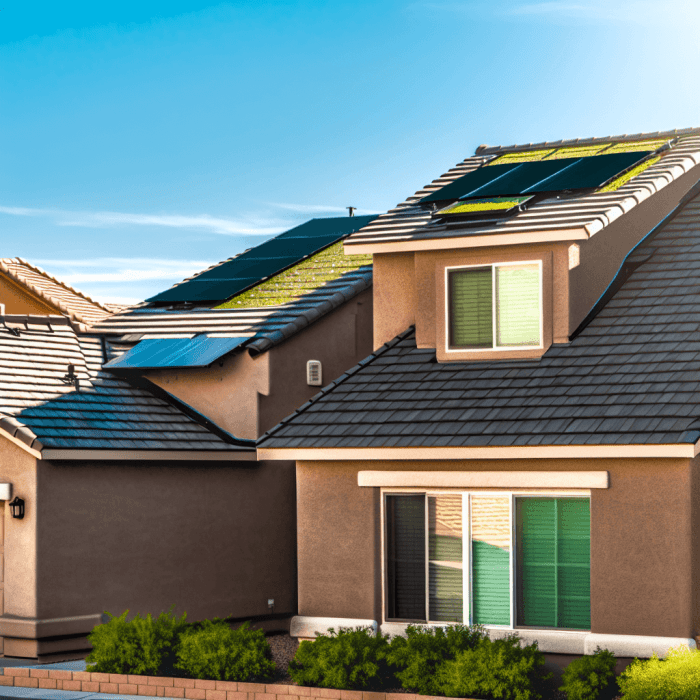
In conclusion, energy saving roofing systems offer a multitude of benefits for both homeowners and the environment. By choosing sustainable options, we not only save on energy costs but also contribute to a greener future. Let's continue to embrace these innovative solutions for a more sustainable tomorrow.
Clarifying Questions
How do energy-saving roofing systems contribute to cost savings?
Energy-saving roofing systems help reduce energy consumption by providing better insulation, resulting in lower heating and cooling costs.
What are some common materials used in energy-efficient roofing systems?
Materials like cool roofs, solar panels, and green roofs are commonly used to make roofs more energy-efficient.
Do energy saving roofing systems require special maintenance?
While regular maintenance is important, energy saving roofing systems generally require less maintenance compared to traditional roofs due to their durability and efficiency.