
Roofing companies for insurance work play a crucial role in ensuring that properties are properly covered and repaired in times of need. This article delves into the world of insurance work for roofing companies, exploring the processes, qualifications, and strategies involved.
As we navigate through the intricacies of insurance-related projects in the roofing industry, readers will gain valuable insights into how to effectively handle insurance claims, build strong relationships with insurance providers, and secure work opportunities in this competitive field.
Overview of Insurance Work for Roofing Companies
Roofing companies often rely on insurance work to maintain a steady flow of projects and revenue. This type of work involves handling insurance claims for repairs or replacements of roofs damaged by weather events or other unforeseen circumstances.
The Importance of Insurance Work
Insurance work is crucial for roofing companies as it provides a consistent source of projects and income. By working with insurance companies to assess and repair damages, roofing companies can expand their client base and establish long-term relationships with insurers.
- Insurance work helps roofing companies tap into a niche market and differentiate themselves from competitors.
- It allows companies to showcase their expertise in handling complex insurance claims and providing high-quality repairs.
- By establishing a network of insurance partners, roofing companies can increase their visibility and credibility in the industry.
Handling Insurance Claims in the Roofing Industry
The process of handling insurance claims in the roofing industry typically involves several steps, including assessing the damage, documenting the repairs needed, and negotiating with the insurance adjuster to secure fair compensation.
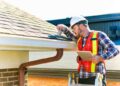
- Roofing companies first conduct a thorough inspection of the damaged roof to determine the extent of repairs required.
- They then prepare a detailed estimate of the costs involved in repairing or replacing the roof, including labor, materials, and any necessary permits.
- Roofing companies work closely with insurance adjusters to ensure that the claim is processed efficiently and accurately, advocating for the best interests of their clients.
Impact on Operations and Finances
Insurance work can have a significant impact on the operations and finances of roofing companies, influencing their workload, cash flow, and overall profitability.
Roofing companies may experience fluctuations in demand for their services based on the frequency and severity of weather events in their region.
- Insurance work can provide a steady stream of projects during slower seasons, helping roofing companies maintain a consistent workflow and revenue stream.
- However, delays in processing insurance claims or disputes over coverage can affect the cash flow of roofing companies, leading to financial challenges.
- By effectively managing insurance work and building strong relationships with insurers, roofing companies can mitigate risks and maximize opportunities for growth and success.
Qualifications and Certifications for Insurance Work

In order for roofing companies to engage in insurance work, it is essential for them to possess the necessary qualifications and certifications. These credentials not only demonstrate a level of expertise and professionalism but also ensure that the company is equipped to handle insurance-related roofing projects efficiently.
HAAG Certification
HAAG Certification is a widely recognized certification in the roofing industry, specifically for insurance-related projects. This certification signifies that a roofing company has undergone specialized training in assessing storm damage and estimating repair costs. Roofing companies with HAAG Certification are seen as experts in the field and are often preferred by insurance companies for their thorough and accurate assessments.
- HAAG Certification provides roofing companies with the knowledge and skills to properly assess storm damage, ensuring that all necessary repairs are identified and accounted for.
- Insurance companies trust HAAG Certified roofing companies to provide accurate estimates, reducing the likelihood of disputes or claim rejections.
- Having HAAG Certification can give roofing companies a competitive edge when bidding for insurance work contracts, as it demonstrates a commitment to quality and expertise.
Building Relationships with Insurance Providers
Building strong relationships with insurance providers is crucial for roofing companies looking to secure work opportunities and establish a reliable network within the industry. By fostering partnerships with insurance companies, roofing companies can gain access to a consistent flow of projects and enhance their reputation as trusted service providers in the market.
Networking and Communication
Effective networking and clear communication are key components in building relationships with insurance providers. Attending industry events, joining professional organizations, and actively engaging in networking opportunities can help roofing companies connect with insurance professionals. By maintaining open lines of communication and demonstrating reliability and professionalism, roofing companies can establish trust and credibility with insurance providers.
Negotiation Strategies
When negotiating with insurance providers for work opportunities, roofing companies should focus on presenting their qualifications, certifications, and track record of successful projects. It is important to clearly Artikel the scope of work, pricing, and timelines to ensure alignment with the insurance company's requirements.
By being transparent, proactive, and responsive during negotiations, roofing companies can increase their chances of securing profitable partnerships with insurance providers.
Handling Insurance Claims and Adjustments
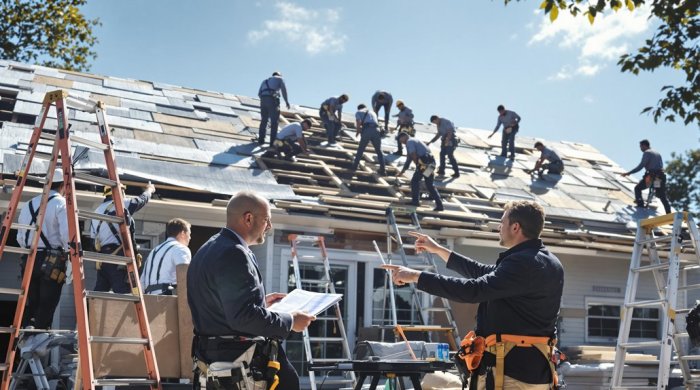
When it comes to handling insurance claims in the roofing industry, it is crucial for companies to follow a structured process to ensure fair compensation for their work. This involves documenting damages accurately, preparing detailed estimates, and effectively submitting claims to insurance providers.
Documenting Damages
- Inspect the roof thoroughly to assess all damages, including missing shingles, leaks, and structural issues.
- Take clear photos and videos of the damage from multiple angles to provide visual evidence.
- Keep detailed records of the inspection findings, noting the extent of the damage and any potential safety hazards.
Preparing Estimates
- Utilize industry-standard software to create precise estimates for the repair or replacement of the roof.
- Include labor costs, material expenses, and overhead charges in the estimate to accurately reflect the total project cost.
- Ensure the estimate is comprehensive and transparent, breaking down the costs for each aspect of the repair work.
Submitting Claims to Insurance Companies
- Compile all documentation, including inspection reports, photos, videos, and estimates, to support your claim.
- Submit the claim to the insurance company in a timely manner, following their specific guidelines for claims submission.
- Communicate effectively with the insurance adjuster to provide any additional information or documentation they may require.
Navigating Claim Adjustments
- Be prepared to negotiate with the insurance adjuster to ensure fair compensation for the scope of work required.
- Provide additional documentation or evidence if requested by the adjuster to support your claim for compensation.
- Seek clarification on any discrepancies or denials in the claim adjustment, and appeal if necessary to achieve a fair resolution.
Last Point
In conclusion, roofing companies must navigate a complex landscape of insurance work to thrive in the industry. By understanding the importance of certifications, communication with insurance providers, and efficient claim handling, these companies can position themselves for success and growth.
Frequently Asked Questions
What qualifications do roofing companies need for insurance work?
Roofing companies must have proper certifications and qualifications to engage in insurance work, ensuring they meet industry standards and requirements.
How can roofing companies build strong relationships with insurance providers?
Establishing trust through consistent communication, delivering quality work, and demonstrating reliability are key factors in building relationships with insurance providers.
What are the best practices for handling insurance claims as a roofing company?
Documenting damages accurately, preparing detailed estimates, and submitting claims promptly are essential best practices for roofing companies when dealing with insurance claims.