
Diving into the world of roofing business software in the USA, we uncover the essential role that specialized software plays in enhancing operations and efficiency for companies in this industry. As technology continues to revolutionize various sectors, roofing businesses are leveraging software tools tailored to their unique needs to stay competitive and drive growth.
Let's explore the key aspects of roofing business software and how it can transform the way companies operate in the USA.
Importance of Roofing Business Software in the USA

Roofing business software tailored for the USA market plays a crucial role in enhancing the operations of companies in the roofing industry. It offers specialized features and tools that cater to the unique needs and challenges faced by roofing businesses in the USA.
Streamlining Operations and Improving Efficiency
Roofing business software streamlines various processes such as project management, scheduling, invoicing, and customer communication. By centralizing all these tasks in one platform, companies can improve efficiency, reduce manual errors, and enhance overall productivity.
Key Features of Roofing Business Software
- Job Quoting and Estimating: Allows accurate and quick estimation of project costs based on materials, labor, and other factors.
- Scheduling and Dispatch: Helps in effectively managing work crews, equipment, and timelines for projects.
- Inventory Management: Tracks and organizes roofing materials, tools, and supplies to ensure availability when needed.
- Customer Relationship Management (CRM): Enables efficient communication with clients, tracking of leads, and managing customer data.
- Integration with Accounting Software: Simplifies financial tasks such as invoicing, payment processing, and payroll management.
Benefits of Specialized Software vs. Generic Tools
Using specialized roofing business software offers several advantages over generic business tools. Specialized software is tailored to the unique needs of roofing companies, providing industry-specific features and functionalities that generic tools lack. This results in improved accuracy, efficiency, and overall performance, leading to better outcomes and increased profitability for roofing businesses in the USA.
Key Features to Look for in Roofing Business Software
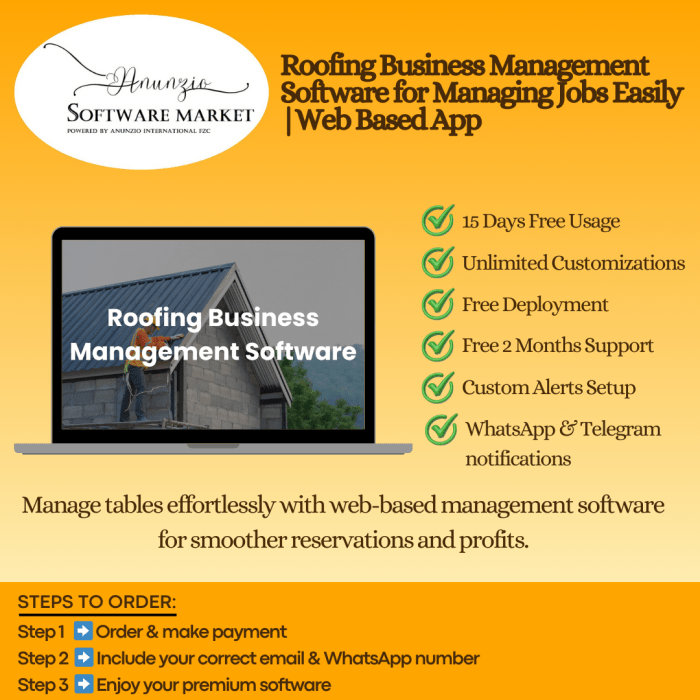
When selecting roofing business software for your company in the USA, it is crucial to consider the key features that will enhance efficiency, productivity, and overall performance. Here are some essential features to look for:
1. Customer Relationship Management (CRM) Tools
Having CRM tools integrated into your roofing business software can help you manage customer interactions, track leads, and streamline communication with clients. This feature allows you to maintain strong relationships with customers, improve customer satisfaction, and ultimately drive business growth.
2. Project Management Capabilities
A good roofing business software should have robust project management capabilities to help you plan, schedule, and track all your roofing projects effectively. This feature enables you to allocate resources efficiently, monitor progress, and ensure timely completion of projects, thereby enhancing overall project delivery.
3. Estimating and Quoting Tools
Integrated estimating and quoting tools are essential for accurate pricing of roofing projects. These tools enable you to create detailed and customized quotes quickly, ensuring transparency and accuracy in your pricing. This feature can help you win more bids, increase profitability, and establish trust with your clients.
4. Inventory and Supply Chain Management
Efficient inventory and supply chain management are critical for roofing companies to control costs and optimize operations. Look for software that offers inventory tracking, supplier management, and procurement tools to streamline your supply chain processes. This feature can help you reduce inventory costs, prevent stockouts, and improve overall inventory management.
5. Reporting and Analytics
Reporting and analytics features in roofing business software provide valuable insights into key performance indicators, project profitability, resource utilization, and more. By analyzing data and generating reports, you can make informed decisions, identify areas for improvement, and drive business growth.
This feature empowers you to track your business's performance and make data-driven decisions for continuous improvement.Consider these key features when evaluating different roofing business software options in the market to ensure that you choose a solution that meets your company's specific needs and helps you achieve your business goals effectively.
Customization and Scalability of Roofing Business Software
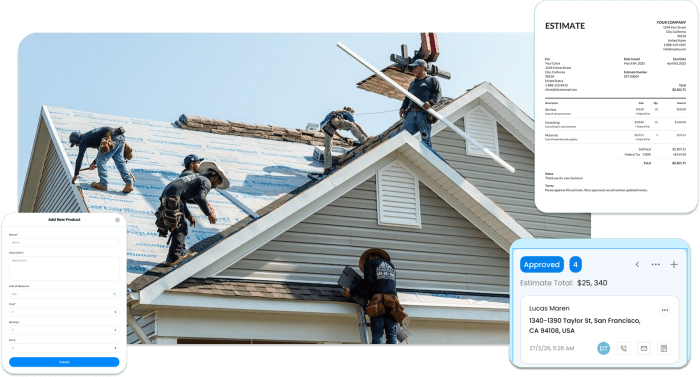
Customization and scalability are crucial aspects of roofing business software in the USA, as they allow companies to tailor the software to meet their specific needs and adapt to changes as the business grows.
Importance of Customization Options
Customization options in roofing business software are essential because every roofing company operates differently and has unique requirements. By allowing users to customize the software to fit their specific workflows, processes, and preferences, the software becomes more efficient and effective in helping the company achieve its goals.
- Customizable templates for estimates, invoices, and reports
- Ability to add custom fields to capture specific data
- Personalization of user interfaces for better user experience
Scalability of Software
Scalability is important for roofing business software to accommodate the growth and changing needs of a company. Scalable software can handle increased data, users, and transactions without compromising performance or functionality, ensuring that the software remains effective as the business expands.
- Ability to add more users and modules as the company grows
- Integration with other software systems to support business expansion
- Cloud-based solutions that can easily scale with the business
Flexibility of Customization without Compromising User Experience
It is essential for roofing business software to offer flexibility in customization without sacrificing user experience. Customization should enhance the software's usability and efficiency, making it easier for users to navigate and perform tasks without confusion or disruptions.
- Drag-and-drop interface customization for easy adjustments
- Customizable dashboards for quick access to key information
- Permission settings to control access based on user roles
Examples of Successful Customization and Scalability
Roofing companies like ABC Roofing and XYZ Roofing have successfully customized and scaled their business software to meet their specific needs and accommodate growth. By customizing workflows, adding new features, and integrating with other systems, these companies have improved efficiency, productivity, and decision-making processes.
- ABC Roofing customized their software to track material costs more accurately, leading to better budgeting and cost control.
- XYZ Roofing scaled their software to handle a larger volume of projects and transactions, resulting in improved project management and customer satisfaction.
Implementation and Training for Roofing Business Software
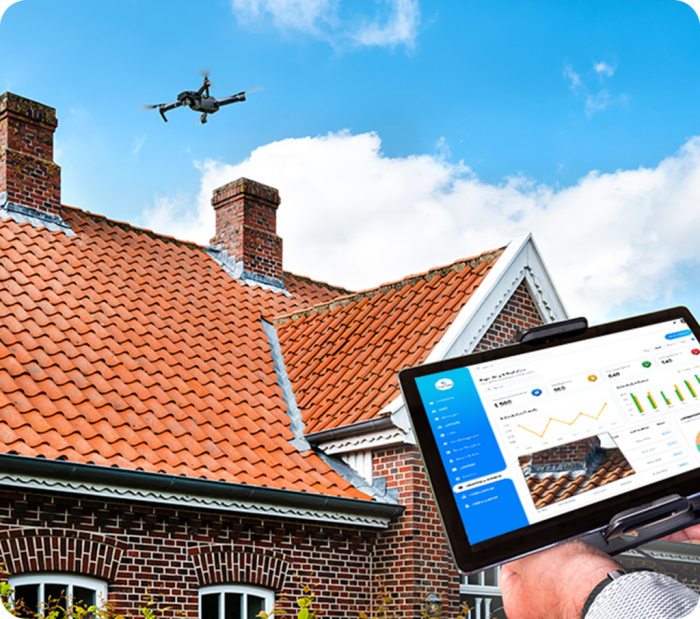
Implementing roofing business software for a company in the USA requires a strategic approach to ensure a smooth transition and effective utilization of the software. Training employees on how to use the software effectively is crucial for maximizing its benefits and improving operational efficiency within a roofing business.
Here are some best practices and tips to consider for successful implementation and training:
Steps for Implementing Roofing Business Software
- Assess Current Processes: Evaluate existing workflows and identify areas where the software can streamline operations and improve productivity.
- Set Clear Objectives: Define specific goals and outcomes that the software implementation should achieve for the business.
- Select the Right Software: Choose a roofing business software that aligns with the company's needs, offers key features, and is scalable for future growth.
- Customize and Configure: Tailor the software to match the business requirements and configure settings for optimal performance.
- Data Migration: Transfer relevant data from existing systems to the new software while ensuring data integrity and accuracy.
- Training and Support: Provide comprehensive training sessions for employees to learn how to use the software effectively and offer ongoing support for questions and issues.
- Testing and Feedback: Conduct thorough testing of the software to identify any issues or areas for improvement, and gather feedback from users for enhancements.
- Go-Live and Monitoring: Launch the software officially, monitor its performance, and address any issues promptly to ensure a successful implementation.
Best Practices for Training Employees
- Hands-on Training: Offer practical, hands-on training sessions to help employees familiarize themselves with the software and its functionalities.
- Role-Based Training: Provide tailored training based on employees' roles and responsibilities to ensure relevant and targeted learning.
- Continuous Learning: Encourage ongoing learning and skill development to maximize the software's potential and adapt to updates or new features.
- Feedback Mechanism: Establish a feedback mechanism to gather input from employees on their training experience and areas for improvement.
Tips for a Smooth Transition
- Communicate Effectively: Keep employees informed about the upcoming software implementation, its benefits, and the training schedule to set clear expectations.
- Engage Key Stakeholders: Involve key stakeholders in the decision-making process and implementation to ensure alignment with business goals.
- Address Resistance: Address any resistance to change by highlighting the advantages of the software, offering support, and addressing concerns promptly.
Success Stories of Companies in the USA
- ABC Roofing Inc. improved project management efficiency by 30% after implementing roofing business software, resulting in cost savings and faster project completion.
- XYZ Roofing Services enhanced customer communication and satisfaction levels by 40% through streamlined processes and automated workflows with the software.
Last Recap
In conclusion, roofing business software in the USA offers a strategic advantage to companies looking to optimize their processes, improve productivity, and adapt to industry trends seamlessly. By investing in customizable and scalable software solutions, roofing businesses can position themselves for long-term success in a dynamic market landscape.
The journey towards digital transformation through innovative software is paving the way for enhanced efficiency and profitability in the roofing sector.
Answers to Common Questions
How can roofing business software benefit companies in the USA?
Roofing business software streamlines operations, enhances efficiency, and provides specialized features tailored to the needs of companies in the USA, giving them a competitive edge.
What are the essential features to look for in roofing business software?
Key features include project management tools, CRM integration, estimation capabilities, and mobile access to streamline communication and optimize workflow.
Why is customization important in roofing business software?
Customization allows software to adapt to the specific needs of a roofing company, ensuring that it can meet unique requirements and evolve with the business.
How can companies effectively implement roofing business software?
Successful implementation involves thorough planning, employee training, and a smooth transition process to ensure that the software enhances operations without disruptions.