
Exploring the world of certified roof installation contractors, this article dives into the importance of hiring professionals for your roofing needs. From qualifications to best practices, we cover it all to help you make informed decisions.
Importance of Certified Roof Installation Contractors
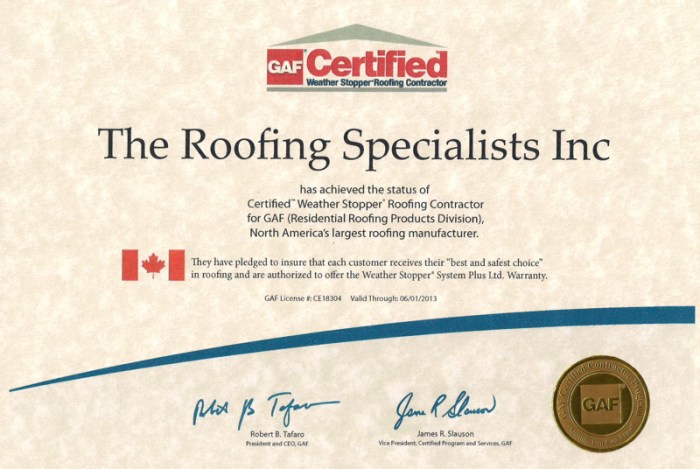
When it comes to installing a new roof or replacing an existing one, hiring certified roof installation contractors is crucial for ensuring a successful and long-lasting project. These professionals have the necessary training, experience, and certifications to handle the job efficiently and effectively.
Benefits of Working with Certified Professionals
- Certified contractors have undergone rigorous training and testing to acquire the necessary skills and knowledge for roof installation.
- They are familiar with building codes, safety regulations, and industry best practices, ensuring that your roof is installed correctly and up to standard.
- Working with certified professionals can give you peace of mind knowing that the job will be done right the first time, reducing the risk of costly repairs or replacements in the future.
- Many certified contractors offer warranties on their work, providing additional protection and assurance for your investment.
Risks of Hiring Uncertified Contractors
- Uncertified contractors may lack the proper training and expertise, leading to subpar workmanship and potential safety hazards.
- They may not be familiar with local building codes and regulations, putting you at risk of fines or legal issues down the line.
- Without certifications, it is challenging to verify the credibility and reliability of an uncertified contractor, increasing the likelihood of scams or substandard work.
Qualifications and Certifications
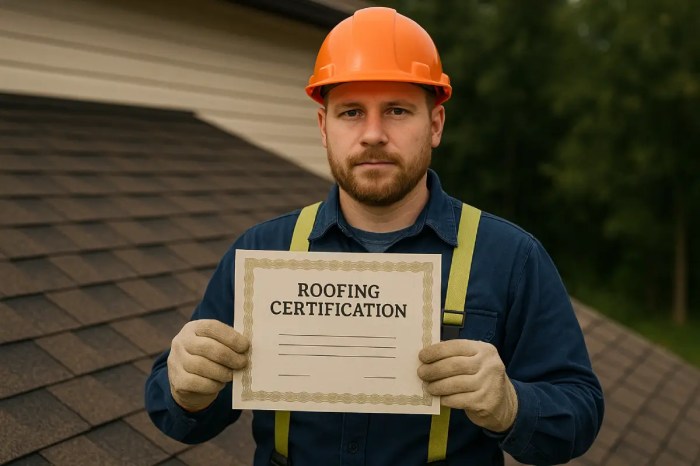
Certified roof installation contractors should possess a combination of key qualifications and certifications to ensure they are well-equipped to handle roofing projects efficiently and effectively. These qualifications and certifications demonstrate their expertise, reliability, and commitment to maintaining industry standards.
Key Qualifications for Certified Roof Installation Contractors
- Proper Licensing: Contractors should have the necessary licenses required by state and local authorities to perform roofing work legally.
- Insurance Coverage: Contractors should carry adequate insurance coverage, including liability insurance and workers' compensation, to protect both themselves and their clients in case of accidents or damages.
- Experience: Contractors with a proven track record of successfully completed projects demonstrate their experience and expertise in the field.
- Training and Education: Continuous training and education in the latest roofing techniques, materials, and safety protocols are essential for contractors to stay updated and deliver high-quality work.
Types of Certifications in the Roofing Industry
- GAF Master Elite Certification: This certification is awarded to contractors who meet stringent criteria set by GAF, a leading roofing manufacturer, ensuring they are among the top 3% of all roofing contractors nationwide.
- HAAG Certification: HAAG certification signifies that a contractor has received specialized training in conducting thorough roof inspections and assessments, making them experts in detecting and evaluating storm-related damages.
- National Roofing Contractors Association (NRCA) Certification: Contractors who hold NRCA certification have demonstrated their commitment to the highest standards of professionalism, quality, and expertise in the roofing industry.
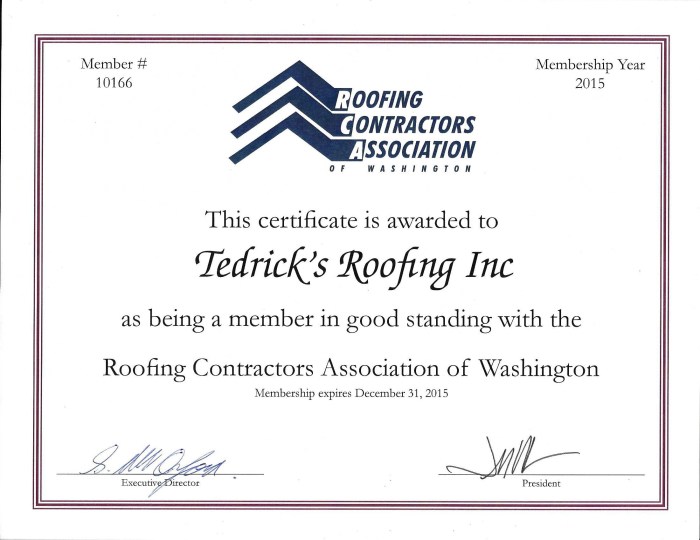
Certifications not only validate a contractor's skills and knowledge but also give clients peace of mind knowing that they are working with a qualified professional who is dedicated to delivering exceptional results.
Best Practices in Roof Installation

Proper installation of a roof is crucial for the overall integrity and longevity of a building. Certified roof installation contractors follow specific best practices to ensure a high-quality and durable roof installation process.
Standard Procedures Followed by Certified Contractors
- Thorough inspection of the existing roof to identify any underlying issues that need to be addressed before installation.
- Proper preparation of the roof surface, including cleaning and repairing any damaged areas.
- Following manufacturer's guidelines for the installation of roofing materials to ensure proper installation and warranty coverage.
- Ensuring proper ventilation in the attic to prevent moisture buildup and prolong the life of the roof.
- Securing all materials properly to prevent wind damage and leaks.
Importance of Following Manufacturer's Guidelines
- Manufacturer's guidelines are designed to ensure the proper installation of roofing materials, maximizing their performance and longevity.
- Failure to follow these guidelines can result in voided warranties, premature roof failure, and potential safety hazards.
- By adhering to manufacturer's instructions, certified contractors can guarantee that the roof will perform as intended and provide optimal protection for the building.
Tips for Ensuring a High-Quality Installation
- Choose high-quality roofing materials from reputable manufacturers to ensure durability and performance.
- Hire certified roof installation contractors with a proven track record of quality work and customer satisfaction.
- Regular maintenance and inspections can help identify and address issues before they escalate, prolonging the life of the roof.
- Proper communication with the contractor throughout the installation process to address any concerns or questions that may arise.
- Investing in a quality installation upfront can save money in the long run by avoiding costly repairs and premature roof replacement.
Warranty and Guarantees
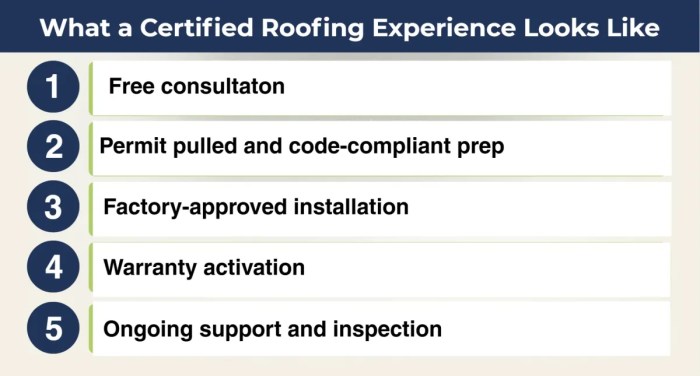
When it comes to hiring a certified roof installation contractor, one of the key aspects to consider is the warranties and guarantees they offer. These assurances provide peace of mind to homeowners, knowing that their investment is protected and that the contractor stands behind their work.
Significance of Warranties
Warranties offered by certified roof installation contractors are crucial as they Artikel the terms and conditions under which the contractor will address any issues that may arise with the roof installation. These warranties typically cover materials, workmanship, and sometimes even labor costs for a specified period.
By having a warranty in place, homeowners can rest assured that they will not be left to deal with any unexpected repair costs.
Comparison of Warranty Coverage
Different contractors in the industry may offer varying warranty coverage. Some contractors may provide longer warranty periods, while others may have more comprehensive coverage. It is essential for homeowners to carefully review and compare the warranty terms offered by different contractors before making a decision.
This comparison can help ensure that they choose a contractor who provides adequate protection for their investment.
Reflection of Contractor Confidence
The guarantees offered by certified roof installation contractors reflect their confidence in the quality of their work. Contractors who offer robust warranties and guarantees are often more confident in their ability to deliver a high-quality installation that will stand the test of time.
Homeowners can use these guarantees as a gauge of the contractor's commitment to customer satisfaction and the durability of their work.
Customer Reviews and Feedback
Customer reviews play a crucial role in assessing the performance of certified roof installation contractors. They provide valuable insights into the quality of work, professionalism, and customer service offered by contractors. Positive experiences shared by customers who have hired certified professionals can help potential clients make informed decisions when choosing the right contractor for their roofing needs.
Examples of Positive Experiences
- One homeowner shared how a certified roof installation contractor completed the project ahead of schedule and within the budget, exceeding their expectations.
- Another customer praised the professionalism and attention to detail of a certified contractor, ensuring that every aspect of the roof installation was done with precision.
- A satisfied client highlighted the excellent communication and responsiveness of a certified contractor, making the entire process smooth and stress-free.
End of Discussion
In conclusion, choosing certified roof installation contractors not only guarantees quality work but also provides peace of mind. With warranties, customer reviews, and adherence to best practices, your roofing project is in safe hands.
Quick FAQs
What are the benefits of hiring certified roof installation contractors?
Certified contractors bring expertise, reliability, and adherence to industry standards, ensuring a high-quality roof installation.
What qualifications should certified roof installation contractors possess?
Key qualifications include proper training, knowledge of safety protocols, and certifications relevant to the roofing industry.
How do warranties reflect the confidence of certified roof installation contractors?
Warranties showcase a contractor's belief in their work and provide assurance to clients regarding the quality of the installation.
Why is it crucial to follow manufacturer's guidelines for roofing materials during installation?
Following guidelines ensures proper installation, longevity of the roof, and compliance with warranty requirements.
How do customer reviews help in choosing the right contractor for roofing needs?
Customer reviews offer insights into the experiences of others, helping potential clients gauge the quality and reliability of a contractor.