
As roof replacement warranty services take the spotlight, readers are ushered into a realm of expertise, promising an informative and original read.
This passage delves into the essence of roof replacement warranty services, shedding light on crucial aspects for homeowners to grasp.
What are Roof Replacement Warranty Services?
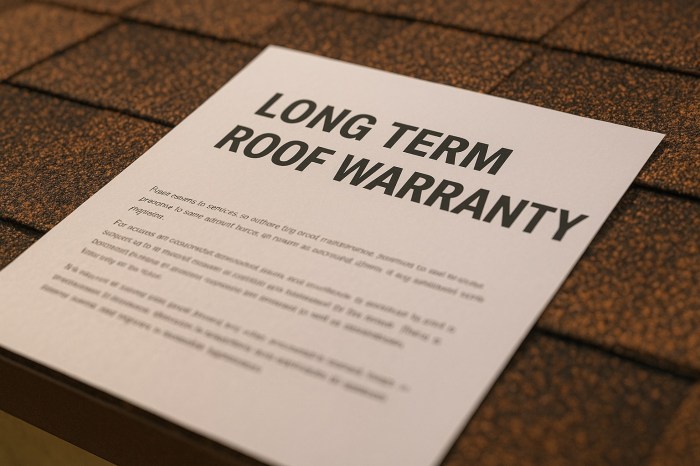
Roof replacement warranty services refer to the guarantee provided by a roofing company or manufacturer for the replacement of a roof within a specified period in case of defects or issues arising from the installation or materials used.
Having a warranty for roof replacement is crucial as it provides homeowners with peace of mind knowing that they are protected in case of unforeseen problems with their new roof. It also reflects the confidence of the company in the quality of their work and materials.
Importance of Roof Replacement Warranty
- Warranty coverage typically includes protection against leaks, material defects, and workmanship issues.
- Some warranties may offer coverage for a specific number of years, such as 10, 20, or even a lifetime warranty.
- Roof replacement warranties can also provide transferable coverage, which can be beneficial when selling a home.
Common Warranty Terms in the Industry
- Material Warranty: Covers defects in the roofing materials used for the replacement.
- Workmanship Warranty: Guarantees the quality of the installation and labor performed by the roofing contractor.
- Manufacturer Warranty: Warranty provided by the manufacturer of the roofing materials, which may have specific terms and conditions.
- Limited Lifetime Warranty: Offers coverage for the lifetime of the roof, typically with certain limitations and exclusions.
Types of Roof Replacement Warranties
When it comes to roof replacement warranties, there are different types available to homeowners. It's important to understand the distinctions between manufacturer warranties and contractor warranties, as well as the coverage variances between material warranties and workmanship warranties.
Manufacturer Warranties vs. Contractor Warranties
Manufacturer warranties are provided by the companies that produce the roofing materials. These warranties typically cover defects in the materials themselves and can range from 20 to 50 years or more. On the other hand, contractor warranties are offered by the roofing contractors who install the roof.
These warranties usually cover the workmanship and installation process and can vary in length and coverage. It's essential to carefully read and compare the details of both warranties to understand what is covered and for how long.
Material Warranties vs. Workmanship Warranties
Material warranties focus on the roofing materials themselves, guaranteeing that they will perform as expected for a certain period. These warranties cover defects in the materials that may lead to leaks, cracks, or other issues. Workmanship warranties, on the other hand, cover the installation process and workmanship of the roofing contractor.
They ensure that the roof is installed correctly and that any issues arising from the installation are addressed. It's crucial to have both material and workmanship warranties to have comprehensive coverage for your roof replacement project.
Factors to Consider When Choosing a Warranty
When selecting a roof replacement warranty, homeowners should carefully consider several key factors to ensure they are getting the best protection for their investment.
Warranty Length and Coverage Limits
It is crucial to pay attention to the length of the warranty and the coverage limits provided. A longer warranty period typically indicates the manufacturer's confidence in the product's durability. Additionally, homeowners should check the coverage limits to ensure that all potential issues are included, such as leaks, material defects, or workmanship errors.
It is essential to fully understand what is covered and what is not to avoid any surprises in the future.
Evaluating the Reliability of a Warranty Provider
When evaluating the reliability of a warranty provider, homeowners should look into the reputation of the company, customer reviews, and the financial stability of the provider. It is essential to choose a reputable company with a proven track record of honoring their warranties and providing excellent customer service.
Reading reviews from other homeowners who have dealt with the warranty provider can give valuable insights into the company's reliability. Checking the financial stability of the provider is also essential to ensure they will be able to fulfill their warranty obligations in the long run.
Claims Process and Coverage
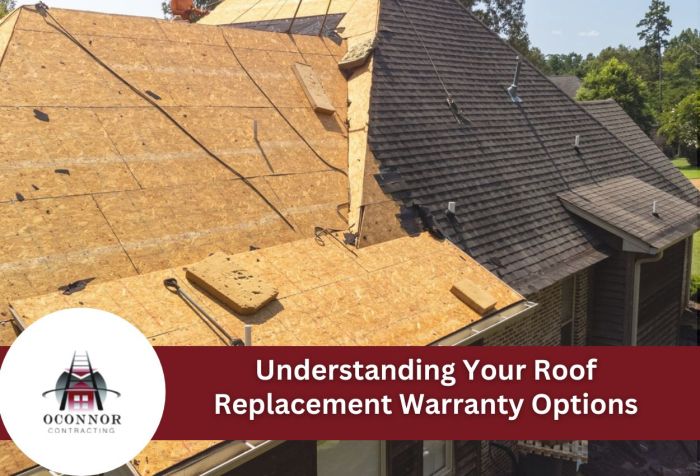
When it comes to roof replacement warranties, understanding the claims process and coverage is crucial for homeowners looking to protect their investment in case of any issues.
Filing a Claim
- Begin by contacting the warranty provider to report the issue and start the claim process.
- Provide documentation such as photos, invoices, and other relevant information to support your claim.
- Wait for the warranty provider to assess the claim and determine if the issue is covered under the warranty.
Coverage Overview
- Typically covered: Defects in materials, workmanship errors, leaks, and other structural issues.
- Usually not covered: Damage from natural disasters, wear and tear, lack of maintenance, and pre-existing conditions.
- Make sure to review your warranty contract to understand the specific coverage details.
Evaluation and Resolution
- Warranty claims are evaluated based on the terms Artikeld in the warranty contract.
- The warranty provider may send an inspector to assess the issue and determine the cause of the problem.
- Once the claim is approved, the warranty provider will work on resolving the issue, which may include repairs or full roof replacement.
Final Review
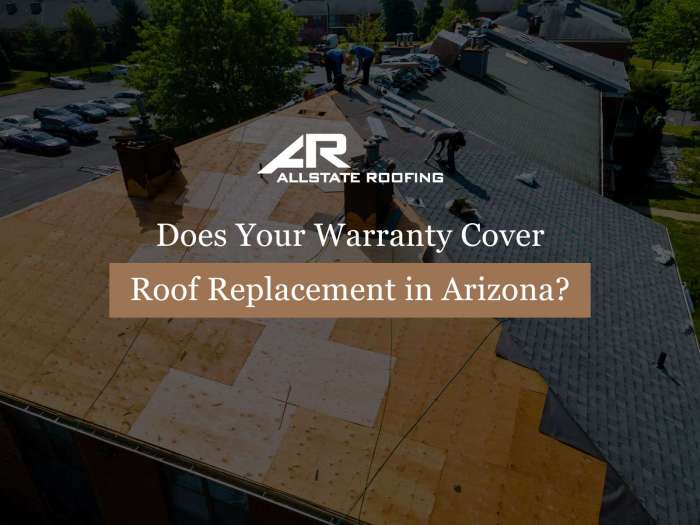
In conclusion, navigating the realm of roof replacement warranty services demands a keen eye for detail and a thorough understanding of the intricacies involved.
Quick FAQs
What does a roof replacement warranty service entail?
A roof replacement warranty service typically covers defects in materials or workmanship for a specified period after the replacement.
How do manufacturer warranties differ from contractor warranties?
Manufacturer warranties are provided by the material supplier, while contractor warranties are offered by the installation company.
What factors should homeowners consider when choosing a roof replacement warranty?
Key factors include the length of the warranty, coverage limits, and the reliability of the warranty provider.
What is the typical process for filing a claim under a roof replacement warranty?
Homeowners usually need to contact the warranty provider, provide necessary documentation, and await a decision on the claim.
What are the coverage differences between material warranties and workmanship warranties?
Material warranties cover defects in the roofing materials, while workmanship warranties cover errors in the installation process.