
As the need for commercial roof replacement arises, understanding the cost involved becomes crucial. This article delves into the key factors, average cost breakdown, and tips to help you navigate the financial aspects of this important project.
Exploring the various elements that contribute to the overall cost can shed light on how to approach a commercial roof replacement with financial prudence.
Factors influencing commercial roof replacement cost
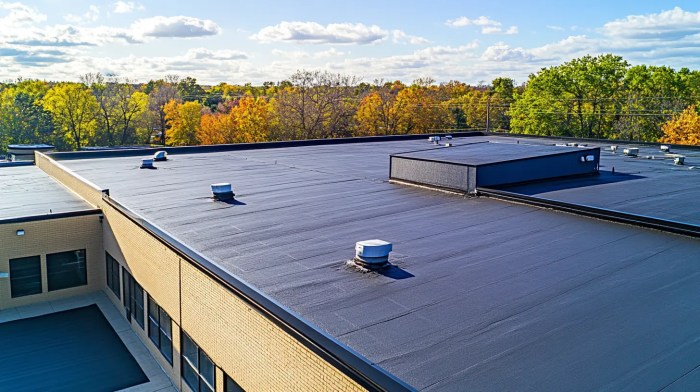
When it comes to replacing a commercial roof, several factors can significantly impact the overall cost. Understanding these key factors is essential for planning and budgeting effectively.
Roof Size
The size of the commercial roof is a crucial factor in determining the replacement cost. Larger roofs will require more materials and labor, resulting in higher overall costs. Additionally, the complexity of the roof's design and layout can also influence the cost.
Material Quality
The quality of the roofing materials used for the replacement can have a direct impact on the cost. High-quality materials may come with a higher price tag upfront but can offer better durability and longevity, potentially reducing long-term maintenance and replacement costs.
Accessibility
The accessibility of the commercial roof plays a significant role in determining the replacement cost. If the roof is difficult to access or requires special equipment for installation, labor costs may increase. Factors like the height of the building and the presence of obstacles can also affect accessibility and, subsequently, the cost.
Labor
Labor costs are a key component of the overall roof replacement cost. The expertise and experience of the roofing contractors, as well as the complexity of the installation process, can impact labor costs. Additionally, factors like the time of year and location of the project can also influence labor expenses.
Roofing Materials
Different roofing materials commonly used in commercial projects can vary significantly in cost. For example, asphalt shingles are a more budget-friendly option, while metal roofs tend to be more expensive upfront but offer superior durability. Factors like maintenance requirements, energy efficiency, and lifespan should also be considered when comparing the cost implications of different roofing materials.
Average cost breakdown for commercial roof replacement
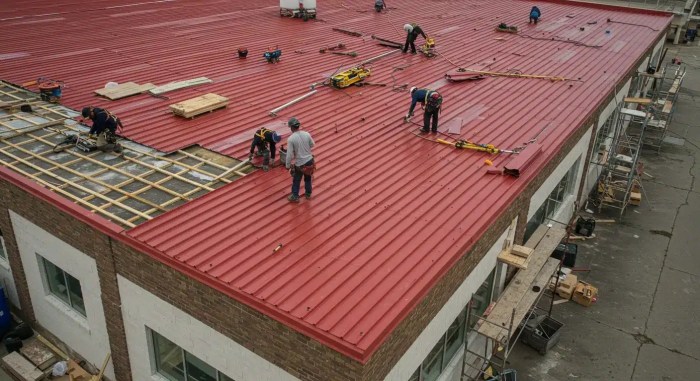
When it comes to commercial roof replacement, understanding the breakdown of costs is essential for proper budgeting and planning. Various factors contribute to the overall cost, including materials, labor, permits, disposal, and other miscellaneous expenses.
Materials
- Roofing Membrane: This includes the main material used for the roof, such as EPDM, TPO, PVC, or metal. Costs can vary based on the type and quality of the membrane.
- Insulation: Proper insulation is crucial for energy efficiency and temperature regulation. The cost will depend on the type and thickness of insulation needed.
- Fasteners and Adhesives: These are necessary for securing the roofing membrane and ensuring its durability.
Labor
- Installation: The labor cost includes the wages of the roofing crew, as well as any additional workers needed for the project.
- Removal: Removing the old roof before installation can also contribute to labor costs.
Permits and Fees
- Permit Costs: Depending on your location, you may need permits for roof replacement, which can add to the overall expenses.
- Inspection Fees: After the replacement is complete, inspections may be required to ensure compliance with building codes.
Disposal
- Old Roof Removal: Disposing of the old roof materials can incur additional costs, especially if there are hazardous materials involved.
Other Expenses
- Equipment Rental: Specialized equipment may be needed for the installation, which can add to the overall cost.
- Warranty: Some contractors offer warranties on their work, which may come at an additional cost.
Cost Comparison Table
| Roof Type | Cost per Square Foot |
|---|---|
| EPDM | $6
|
| TPO | $5
|
| PVC | $7
|
| Metal | $8
|
Tips for reducing commercial roof replacement costs
Regular maintenance is key to extending the lifespan of a commercial roof and minimizing replacement expenses. By following practical strategies and negotiating effectively, you can reduce the overall costs of a roof replacement project.
Importance of Regular Maintenance
Regular inspections and maintenance can help identify and address issues early on, preventing them from escalating into costly repairs or replacements. By keeping your commercial roof in good condition through routine care, you can prolong its lifespan and reduce the need for extensive replacements.
Negotiating with Contractors and Suppliers
When planning a roof replacement project, it's essential to shop around and compare quotes from different contractors and suppliers. Don't hesitate to negotiate prices and ask for discounts or better deals. By securing cost-effective solutions without compromising quality, you can significantly lower the overall expenses of the project.
Cost-benefit analysis of investing in high-quality materials
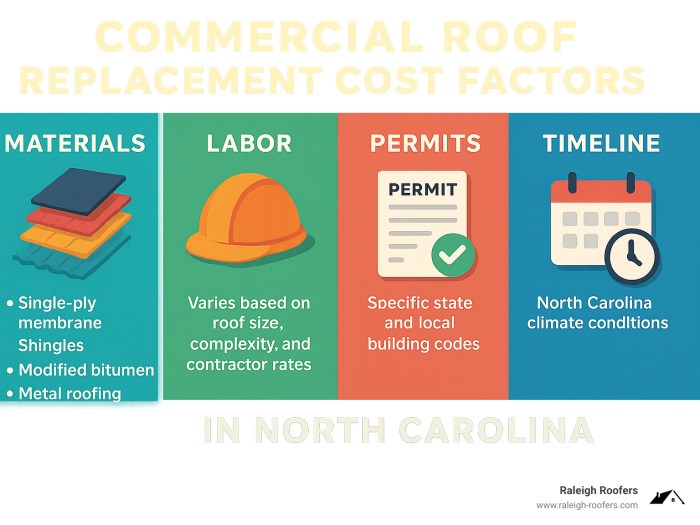
Investing in high-quality roofing materials for commercial properties may involve a higher initial cost, but it can lead to significant long-term benefits. Let's analyze the cost-effectiveness of choosing premium materials for commercial roof replacement.
Durability and Maintenance
- High-quality roofing materials, such as metal or slate, are known for their durability and longevity.
- These materials require minimal maintenance compared to traditional options like asphalt shingles.
- By investing in durable materials, you can avoid frequent repairs and replacements, saving money in the long run.
Energy Efficiency
- Premium roofing materials often come with energy-efficient properties, such as better insulation or reflective coatings.
- Improved energy efficiency can lead to lower heating and cooling costs for your commercial property.
- Over time, the savings on energy bills can offset the initial higher cost of high-quality materials.
Potential Savings
- Choosing premium roofing materials may require a larger upfront investment, but the savings over time can be substantial.
- By avoiding frequent repairs, replacements, and energy inefficiencies, you can protect your bottom line and increase the overall value of your property.
- Consider the long-term benefits and potential savings when deciding on the roofing materials for your commercial property.
Wrap-Up
In conclusion, being well-informed about the factors influencing commercial roof replacement cost, average breakdown, and cost-saving tips can empower you to make sound decisions for your commercial property. By investing wisely and strategically, you can ensure the longevity and quality of your roof while optimizing costs.
FAQ Guide
What are the key factors influencing commercial roof replacement cost?
The key factors include roof size, material quality, accessibility, and labor costs.
How can I reduce commercial roof replacement costs?
Regular maintenance, negotiating with contractors, and using cost-effective solutions are effective strategies to minimize costs.
Why is investing in high-quality materials for commercial roofs beneficial?
High-quality materials offer better durability, energy efficiency, and long-term cost savings despite initial higher costs.